
Choosing a Best Door Smart Lock comes down to three questions: how you want to unlock, whether you need control from outside your home, and whether your door’s thickness and backset match the lock. This guide compares five models using only manufacturer specifications. Broader coverage of smart lock deadbolt options, including fingerprint and Matter models, is available elsewhere.
If you want app control over Wi-Fi, the Schlage Encode Smart and eufy C220 suit most buyers. If you mainly want fast fingerprint entry, or you have a thin wooden door, the Ulecoce U68, DESLOC B200 and Evanshow options fit better.
The Five Door Smart Locks We Compared
Each card lists the brand, the main features and the door fit or power details the manufacturer publishes. Read the door thickness and backset first, because those measurements decide whether a model installs on your door.
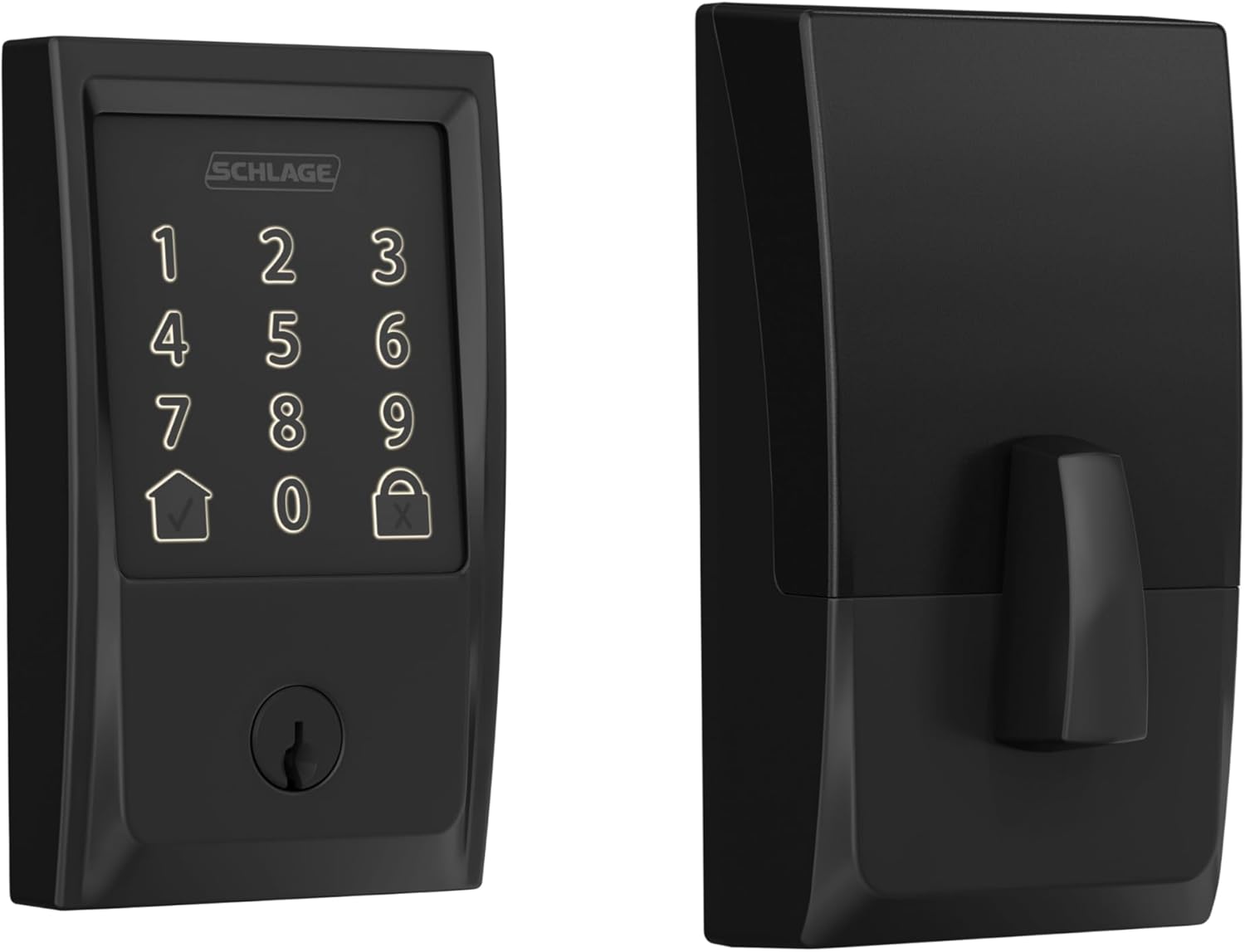
Schlage Encode Smart WiFi Deadbolt Lock with Century Trim
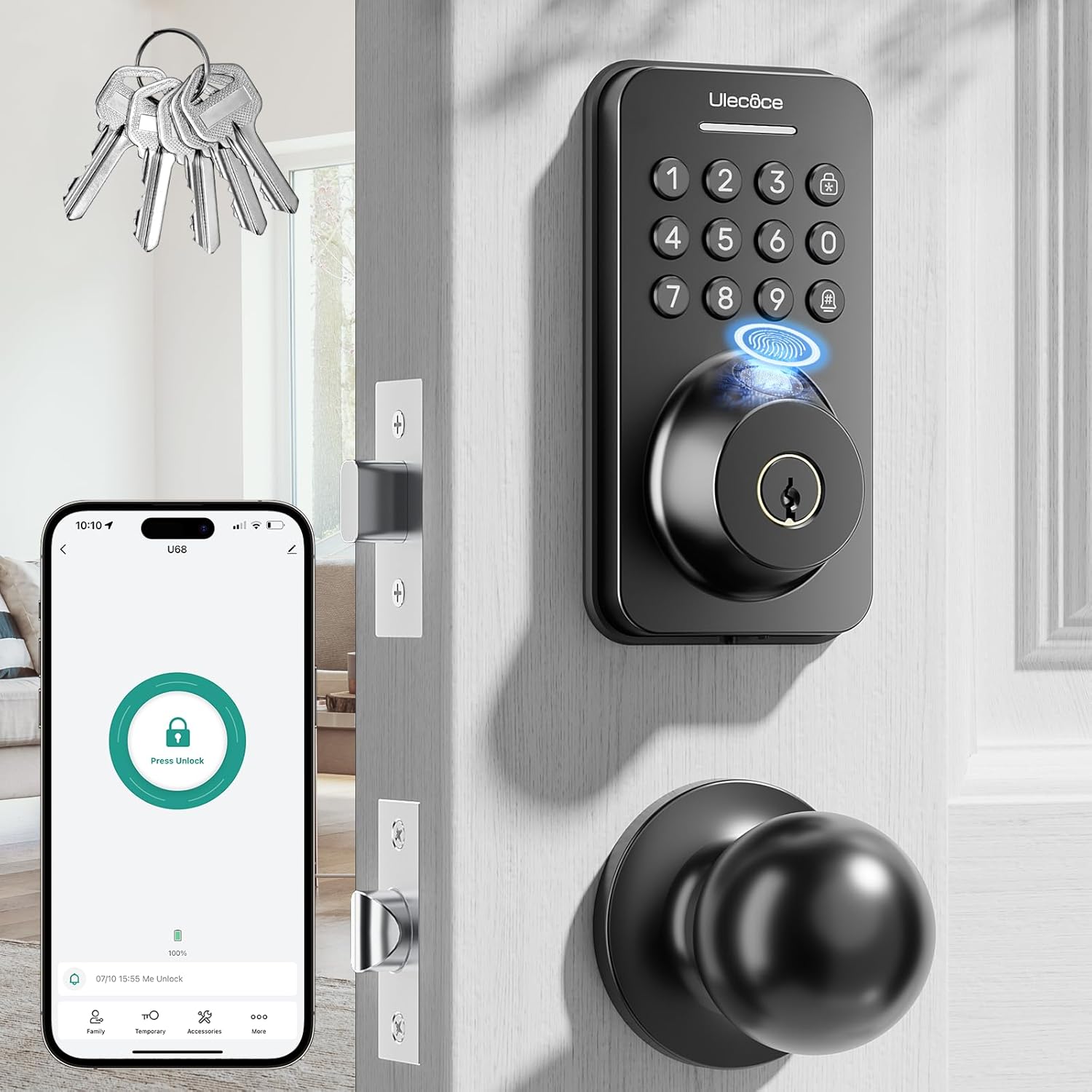
Ulecoce U68 Fingerprint Deadbolt with Knob Set
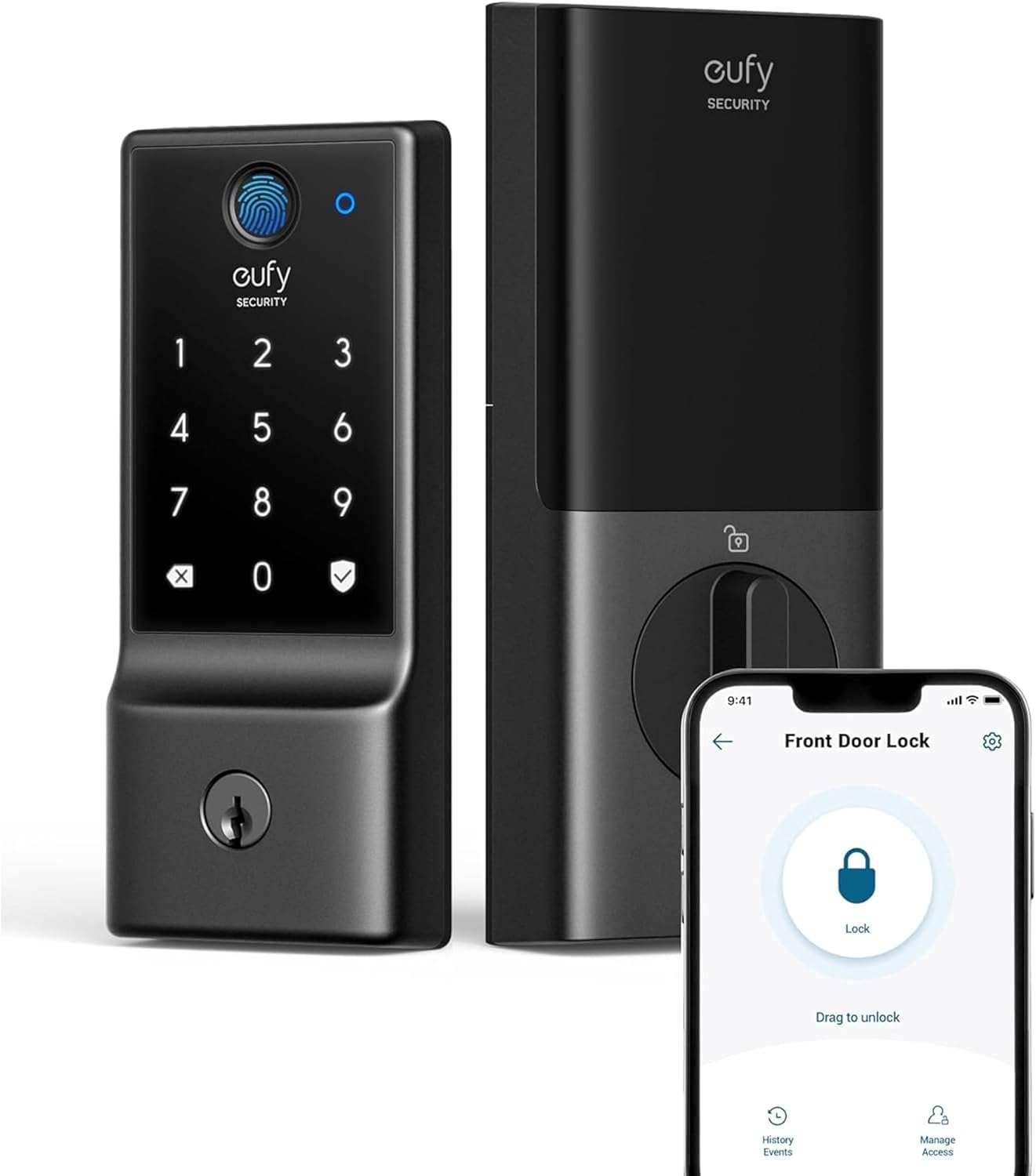
eufy Smart Lock C220 Fingerprint Keyless Entry

DESLOC B200 Fingerprint Smart Door Lock with Keyless Entry

Evanshow Smart Door Lock with Fingerprint
How the Five Locks Compare on Key Specs
The table sets the locks side by side on the attributes where they differ most. Each value comes from the manufacturer listing, and Not listed means the listing does not state that spec. Smart locks for a front door also vary in connectivity and unlock methods, a topic covered in front door smart locks.
| Product | Wi-Fi control | Unlock methods | Battery power | Door fit or weather spec |
|---|---|---|---|---|
| Schlage Encode Smart | Built-in Wi-Fi, Schlage Home app | Touchscreen code, app, voice | Not listed | 1-3/8 to 1-3/4 in doors |
| Ulecoce U68 | App control, gateway for voice | Fingerprint, keypad, app, physical key | Not listed | Not listed |
| eufy C220 | Built-in Wi-Fi, no bridge | Fingerprint, keypad, app, key, voice | 8 AA, about 8 months | Not listed |
| DESLOC B200 | Voice needs G2 gateway | Fingerprint, PIN, app, eKeys, key fob | 4 AA, up to 12 months | IP54, BHMA Grade 3 |
| Evanshow Fingerprint Lock | Tuya app control | Fingerprint, keypad, NFC card, key | Not listed | 1.18 to 1.97 in wooden doors |
Which Smart Lock Fits Your Door and Home
Your entry point, room layout and wiring setup matter as much as the feature list. These deciding factors help narrow the field. A broader survey of smart lock models can help frame these choices.
- Door thickness and backset, in inches
- Whether you need remote control over Wi-Fi
- How often you are willing to change batteries
- Whether the door is exposed to splashing water or cold weather
Remote Control From Outside the Home
The Schlage Encode Smart suits buyers who want to lock, unlock and check lock history from anywhere through the Schlage Home app on a home Wi-Fi network. It also lists a built-in alarm for door movement and forced entry attempts. The eufy C220 is the alternative, with built-in Wi-Fi and no bridge, but its listing gives about 8 months from 8 AA batteries, so plan for battery changes.
Fingerprint Entry for a Busy Household
The Ulecoce U68 suits households that want quick unlocking, with recognition in as little as 0.3 seconds and storage for up to 512 fingerprints and passcodes combined. Its app creates one-time, scheduled and recurring codes, and auto-lock can be set from 5 to 60 seconds. The DESLOC B200 is the alternative, supporting up to 50 fingerprints, so it suits smaller households, and its voice control needs a G2 gateway sold separately.
A Thin Wooden Door or a No-Drill Install
The Evanshow Fingerprint Lock suits buyers with wooden doors between 1.18 and 1.97 inches thick, because its listing states no drilling or wiring. It unlocks in 0.5 seconds and offers a silent mode. The Schlage Encode Smart is the alternative, with a screwdriver install and a 1-3/8 to 1-3/4 inch thickness range, but its listing does not cover wooden doors specifically. Evanshow’s listing also does not state Wi-Fi control.
A Door Exposed to Rain or Cold
The DESLOC B200 suits doors that face rain or winter temperatures, since its listing gives an IP54 water resistance rating, where the 4 means resistance to splashing water under IEC 60529. It is also listed to operate from -22°F to 158°F and to meet BHMA Grade 3. The Ulecoce U68 is the alternative for buyers who want fingerprint speed, but its listing does not state a water or temperature spec.
How These Locks Were Grouped and Compared
This guide compares the specifications each manufacturer lists, including Wi-Fi support, unlock methods, fingerprint speed, user capacity, battery type and life, door thickness fit, water resistance and BHMA grade. The locks are grouped by the main buyer need: remote control, fingerprint-first use, thin or wooden doors, and weather-exposed doors. The descriptions reflect manufacturer listings only.
Our Top Picks Among the Five Locks
Three models stand out for different buyers. Each pick below is matched to one spec from its listing, and each reason names the alternative that suits a different need. Keyless home entry is a related category where smart locks with Wi-Fi fit in.
Alarm and Wi-Fi Control: Schlage Encode Smart WiFi Deadbolt Lock with Century: The Schlage Encode Smart suits buyers who want app control from anywhere, lock history and a built-in alarm for door movement and forced entry attempts. Its listing is the only one in this group that includes that alarm type. Buyers who want fingerprint unlocking should choose the Ulecoce U68 instead.
Fast Fingerprint Unlock: Ulecoce U68 Fingerprint Deadbolt with Knob Set: The Ulecoce U68 suits households that want quick entry, with recognition in as little as 0.3 seconds and storage for up to 512 fingerprints and passcodes combined. Its app creates temporary codes with adjustable validity and sets auto-lock from 5 to 60 seconds. Buyers who need a lock with built-in Wi-Fi and no gateway should choose the eufy C220 instead.
Wi-Fi With No Bridge: eufy Smart Lock C220 Fingerprint Keyless Entry: The eufy C220 suits buyers who want built-in Wi-Fi control through the eufy Security app with no bridge, plus six listed ways to unlock. Its listing gives about 8 months from 8 AA batteries, so it suits buyers who accept periodic battery changes. Buyers who want the longest listed battery life or water resistance should choose the DESLOC B200 instead.
Smart Door Lock Questions Answered
Can I Install a Smart Deadbolt Without Hardwiring?
Yes, three of the five locks are listed for installation without hardwiring. The Schlage Encode Smart needs only a screwdriver, the DESLOC B200 uses a screwdriver with no professional tools, and the Evanshow needs no drilling or wiring. Before you start, measure your door thickness and backset. The Schlage lists 1-3/8 to 1-3/4 inch thickness with 2-3/8 or 2-3/4 inch backset, and the Evanshow lists 1.18 to 1.97 inch wooden doors. Hosts who rent out short-term properties may also want to compare smart lock options for Airbnb.
What Powers These Smart Locks?
Two locks in this list state their battery type and life. The eufy C220 uses 8 AA batteries for around 8 months, and the DESLOC B200 uses 4 AA batteries for up to 12 months, with a USB-C port for emergency power. The Schlage Encode Smart, Ulecoce U68 and Evanshow listings do not state a battery type or life, so check their manuals before you buy.
Will Router Placement Affect Wi-Fi Control?
Remote control depends on the lock staying connected to your network. The Schlage Encode Smart needs a secure home Wi-Fi network, while the eufy C220 connects without a bridge. Smart security devices commonly use 2.4 GHz Wi-Fi, so confirm your router supports that band. Keep the lock within range of your router, and test the app connection after installation.
How Do I Keep a Fingerprint Lock Responding Well?
The DESLOC B200 listing advises keeping the sensor clean and registering the same finger from several angles, which helps with dry skin. The Ulecoce U68 and eufy C220 describe self-learning recognition that improves with use. Replace batteries when the low-battery indicator appears, and keep a physical key or backup access available for each user.
Does a Smart Lock Replace a Smoke Alarm?
No. A smart lock is door hardware and does not replace a smoke or CO alarm. The NFPA recommends smoke alarms in every bedroom, outside each sleeping area and on every level. It also recommends testing them once a month and replacing them every 10 years. Check your alarms on that schedule, separately from your lock.





