Pet hair is where Best Robot Vacuum Under $300 tend to separate, because brush rolls can wrap fur and small dustbins fill quickly. Bin capacity, suction on carpet and whether a model also mops change how much hands-on work you do each week.
Before choosing, settle which floors you clean most, whether hard floors need wet mopping, how large your home is, and how much emptying you are willing to do. The picks below suit different needs, from a robot that mops and handles pet hair to models with self-emptying bases for less frequent upkeep.
Our Top Picks

Pet Hair and Mopping: Lefant M210 Omni Robot Vacuum and Mop with
| Pros | Cons |
|---|---|
|
|
The Lefant M210 Omni is a robot vacuum and mop in one unit. Its 7.9-inch roller spins at 240 RPM and applies 15N of downward pressure, which suits everyday spills such as coffee, juice, milk and ketchup on hard floors. Its 20,000Pa suction and brushless suction inlet pick up dust, crumbs and pet hair from carpets and hard floors.
The base station holds a 2.4L clean water tank and a 1.5L dirty water tank, keeping fresh and wastewater separate. After a run, the robot refills clean water, drains dirty water, washes the roller and dries it with cool air. At 85mm high and 280mm in diameter, it fits under sofas and beds.
This model suits pet owners with hard floors who want vacuuming and wet mopping in one routine. Choose the Shark AV2501S instead if you want a self-emptying base that holds 30 days of dirt and less frequent bin handling.
Hands-Off Whole-Home Cleaning: Shark PowerDetect Self-Empty Robot Vacuum AV2820S with HEPA
| Pros | Cons |
|---|---|
|
|
The Shark PowerDetect Self-Empty Robot Vacuum AV2820S is a robot vacuum with a self-emptying base. Its base holds 30 days of dirt, so you empty the robot less often. DirtDetect senses hidden debris on carpets and hard floors and boosts suction and cleaning passes for a targeted deep clean.
NeverStuck lets the robot lift and lower over thresholds and move around obstacles with fewer pauses. EdgeDetect uses blasts of air to pull debris from baseboards and tight spaces into the cleaning path. These features help when a home has several rooms and mixed flooring.
It suits households that want a self-emptying robot for carpet and hard floors without a mop. If pet hair is the main concern, the Shark AV2501S is the better fit.
Pet Homes with Mapping: Shark AV2501S AI Ultra Robot Vacuum
| Pros | Cons |
|---|---|
|
|
The Shark AV2501S AI Ultra Robot Vacuum uses 360° LiDAR to map the home and clean in a matrix grid with multiple passes over dirt and debris. The bagless base holds up to 30 days of dirt and debris, and its HEPA filtration captures 99.97% of dust and allergens down to 0.3 microns.
Its self-cleaning brushroll and powerful suction are aimed at pet hair, dander and dust on all floor types. The robot detects and avoids objects in its path day or night and adapts to everyday changes in the home.
This model suits pet homes that want a mapped, self-emptying vacuum for whole-home coverage. Choose the Lefant M210 instead if you need a roller that mops hard floors.
Compare Products
Look at bin or dust bag capacity, whether a base empties the robot, the suction rating, brush roll design and whether the model mops. These details decide how often you handle dirt and how well pet hair is picked up.
Lefant M210 Omni Robot Vacuum and Mop with 20,000Pa Suction

Shark PowerDetect Self-Empty Robot Vacuum AV2820S with HEPA Base
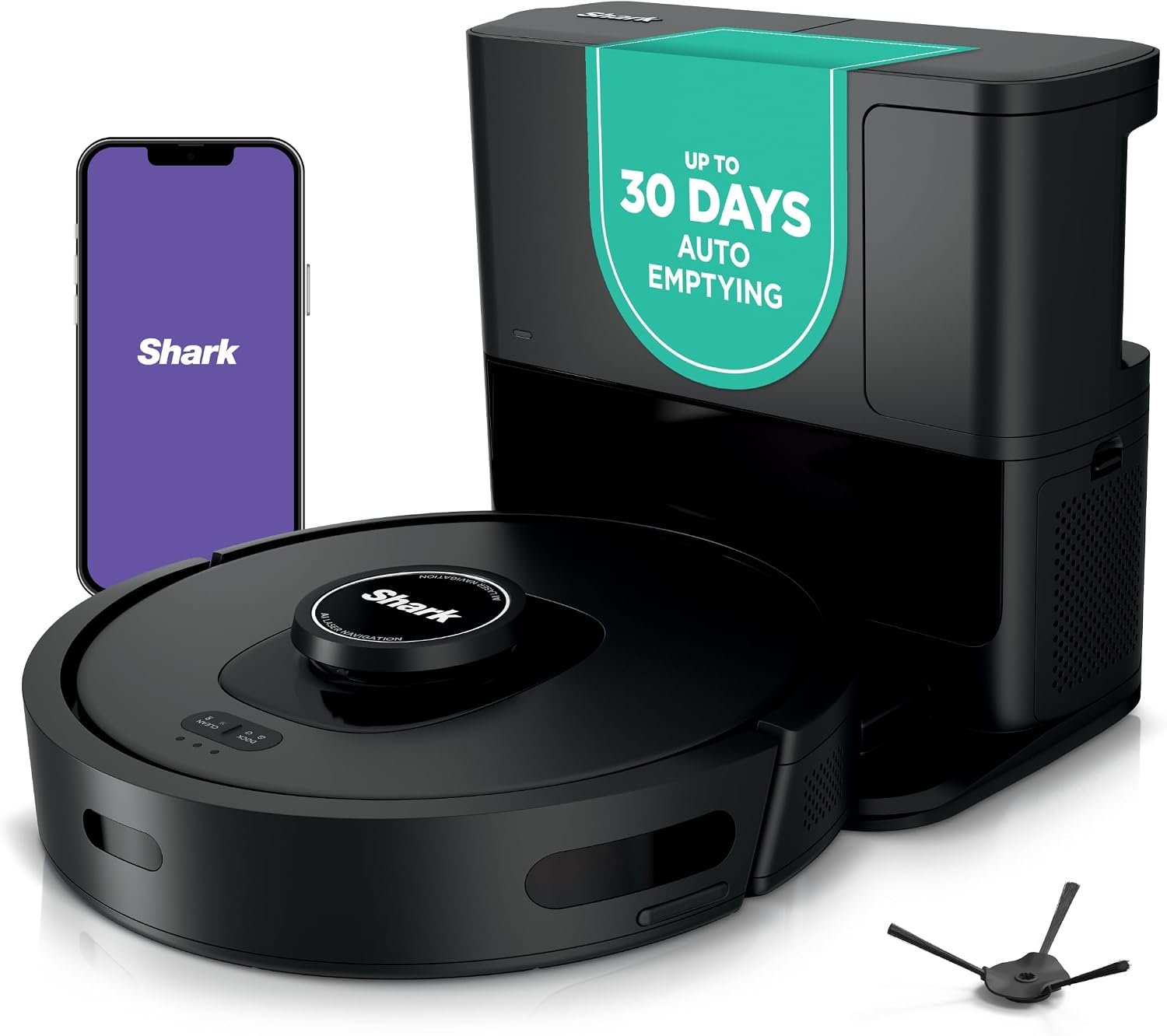
Shark AV2501S AI Ultra Robot Vacuum, with Matrix Clean, Home Mapping, 30-Day Capacity HEPA...

Bissell FlexClean FurForce Robot Vac & Mop with LiDAR Navigation
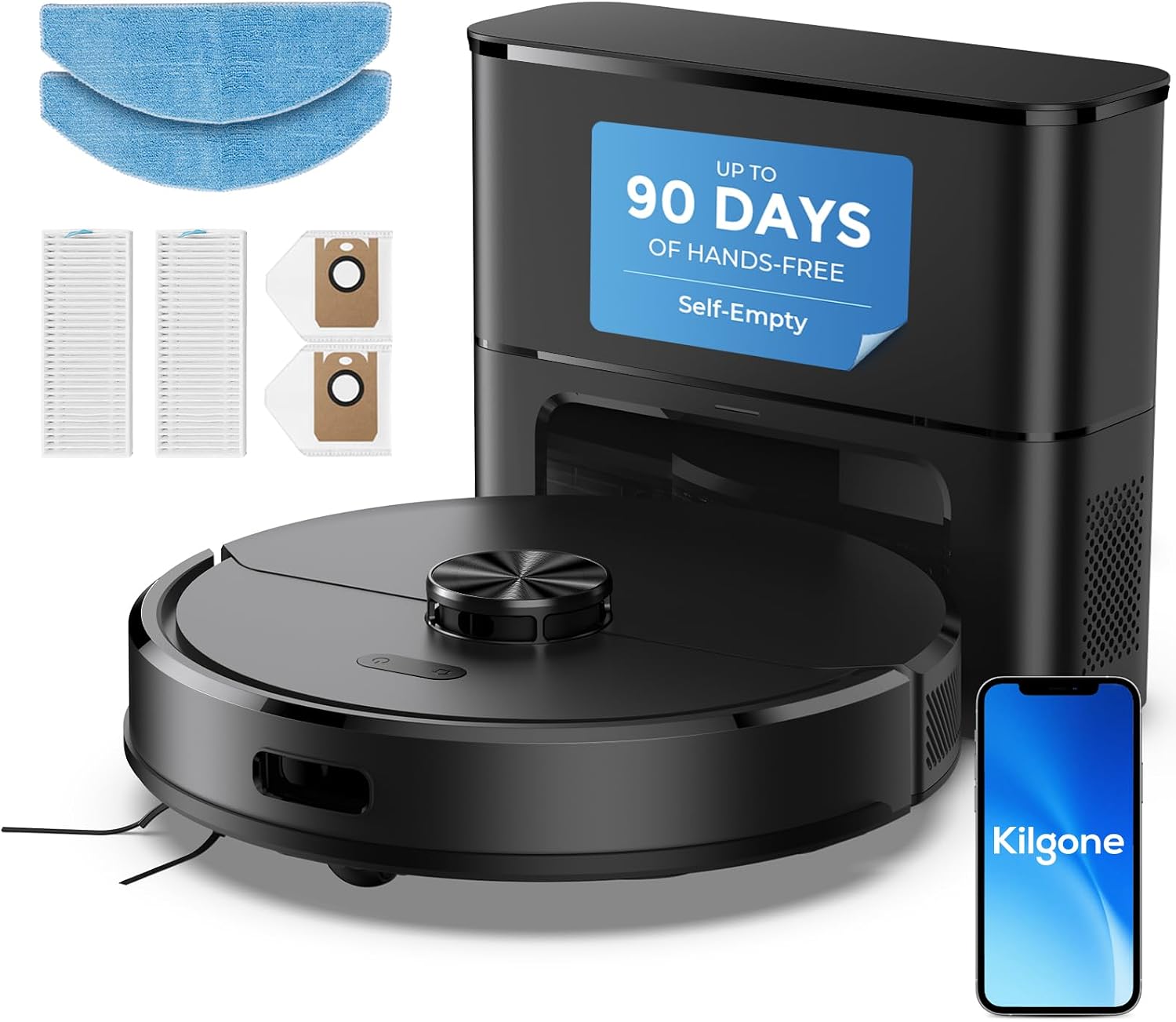
Kilgone SDL40 Robot Vacuum and Mop Combo with 90-Day Self-Emptying Base
Choosing a Robot Vacuum for Pet Hair and Floors
The right robot vacuum depends on how much dirt it must hold, what floors it cleans and how much hands-on upkeep you accept. Start with the factors below, since they affect daily results more than the number of features.
Dustbin and Self-Emptying Base Capacity
Look for the size of the onboard dustbin or the capacity of a self-emptying base. A larger bin or base means fewer interruptions and less emptying. The Lefant M210 has an 800ml dustbin for shorter runs, while the Shark PowerDetect and Shark AV2501S use bases that hold 30 days of dirt.
Brush Roll Design for Pet Hair
Check whether the brush roll or side brush is designed to resist hair wrap, since fur tangles are a common cause of clogs. The Lefant M210 uses a brushless suction inlet and tangle-free design, and the Shark AV2501S has a self-cleaning brushroll for pet hair.
Mopping Function and Water Tanks
If your hard floors get sticky spills, choose a model with a roller mop and check the clean and dirty water tank sizes. The Lefant M210 has a 2.4L clean water tank and a 1.5L dirty water tank, which keep fresh and wastewater separate. Models without mopping suit dry vacuuming on carpets and hard floors.
Navigation and Obstacle Handling
Check how the robot finds its way and clears furniture, thresholds and tight corners. The Shark AV2501S uses 360° LiDAR mapping, while the Shark PowerDetect uses NeverStuck and EdgeDetect to move over thresholds and clean along baseboards.
Robot Vacuum Questions for Pet Owners and Busy Homes
How often should I empty a robot vacuum dustbin?
Empty the dustbin after each run when pet hair is heavy, or whenever the suction weakens. Models with a self-emptying base need less frequent handling, since the base moves dirt into a larger bag or bin. Check the bin or base capacity to plan your schedule.
How do I stop pet hair from wrapping around a robot vacuum brush?
Remove hair from the brush roll and side brush after each few runs, and check the roller for tangles. Brush rolls designed to resist wrapping reduce clogs, but they still need periodic cleaning. Follow the manufacturer’s care instructions for the brush parts.
Can a robot vacuum clean carpets and hard floors in the same run?
Many robot vacuums clean both carpets and hard floors in one run, using suction on carpet and gentler settings on hard floors. Carpet cleaning depends on suction strength and pile height. Check the product’s floor settings before running it on rugs.
How do I clean the water tanks and mop roller on a robot mop?
Empty the dirty water tank after each mopping run and rinse the clean water tank before refilling it. Wash or dry the mop roller regularly to prevent odors. Use cleaning solutions only as the manufacturer’s label allows, and never mix products.
Are robot vacuum filters washable, and how often do they need replacing?
Some filters are washable and others must be replaced, depending on the model. HEPA filters in a base should be checked for dust build-up and replaced as the label instructs. Keep filters dry before reinstalling them, and check the label for replacement intervals.


