
For most homes, the first split among Best Robot Vacuum Only is how each one handles carpet compared with bare hard floors, and whether it can also mop. Pet hair and dust near edges are the messes that most often show whether a machine is a good match.
Before choosing, settle which floors you clean most, how much pet hair you collect, how big the home is, and how often you are willing to empty a bin or clean a dock. The picks below suit different needs, so match them to your routine rather than the highest-powered option alone.
Our Top Picks

Carpets and Hard Corners: DREAME L40 Ultra Gen 2 Robot Vacuum and
| Pros | Cons |
|---|---|
|
|
The DREAME L40 Ultra Gen 2 is a robot vacuum and mop with 25,000Pa suction and five suction levels. Its brush and mop extend to reach corners and under furniture, which matters where edges collect dust and crumbs. The self-cleaning dock handles much of the routine upkeep, and the four carpet modes let you choose between carpet avoidance, suction boost, intensive carpet cleaning and a 0.41in mop lift.
Smart Pathfinder and 3DAdapt help it map the home and avoid obstacles such as shoes. In practice, that means fewer stops around clutter in busy rooms.
This model suits homes with a mix of carpet and hard floors, and households where corners and under-furniture dust are a regular problem. Choose the Shark PowerDetect AV2820S instead if your main priority is a simpler vacuum-only machine that empties itself into a 30-day base.
Hands-Off Bin Emptying: Shark PowerDetect Self-Empty Robot Vacuum AV2820S with HEPA
| Pros | Cons |
|---|---|
|
|
The Shark PowerDetect AV2820S is a self-emptying robot vacuum with a HEPA base. The base holds up to 30 days of debris, so you empty it far less often than a standard bin. It covers carpets and hard floors, and DirtDetect senses hidden debris and boosts suction and cleaning passes on it.
NeverStuck helps it lift and lower to cross thresholds and move around obstacles, while EdgeDetect uses air blasts to bring debris from along baseboards and tight spaces into its cleaning path. Those features suit homes with thresholds between rooms and dust that builds up along walls.
It fits households that want a hands-off vacuum for dust, dirt and pet hair on mixed floors and do not need mopping. If your floors need wet cleaning as well, the Narwal Freo Z10 Turbo combines vacuuming with a mop.
Vacuum and Mop Combo: Narwal Freo Z10 Turbo Robot Vacuum Mop with
| Pros | Cons |
|---|---|
|
|
The Narwal Freo Z10 Turbo is a robot vacuum mop with self-emptying. When it detects carpet, a pressurizing brush plate lowers to create a tight seal for stronger suction, and its auto-lifting mops keep carpet dry. It is aimed at short-pile carpets and rugs, which is where its carpet feature fits best.
Its floating roller brush and reversing side brush are designed to extract and guide long hair and pet fur, which reduces tangles around the brush. EdgeSwing extends the mop pad toward baseboards, chair legs and kitchen cabinets, reducing missed spots along edges.
The dock washes with water up to 167°F, dries with air up to 104°F and auto-empties 2.5 L, which helps with odors in homes with kids and pets. It suits homes that want vacuuming and mopping together on carpets and hard floors. For a vacuum-only machine with a longer bin cycle, the Shark PowerDetect AV2820S is the better fit.
Compare Products
Set the three picks side by side on carpet handling, edge reach, mopping, and what the dock does between runs. Those four points usually decide which machine fits your floors and routine.
DREAME L40 Ultra Gen 2 Robot Vacuum and Mop with 25,000Pa Suction

Shark PowerDetect Self-Empty Robot Vacuum AV2820S with HEPA Base

Narwal Freo Z10 Turbo Robot Vacuum Mop with Self Emptying
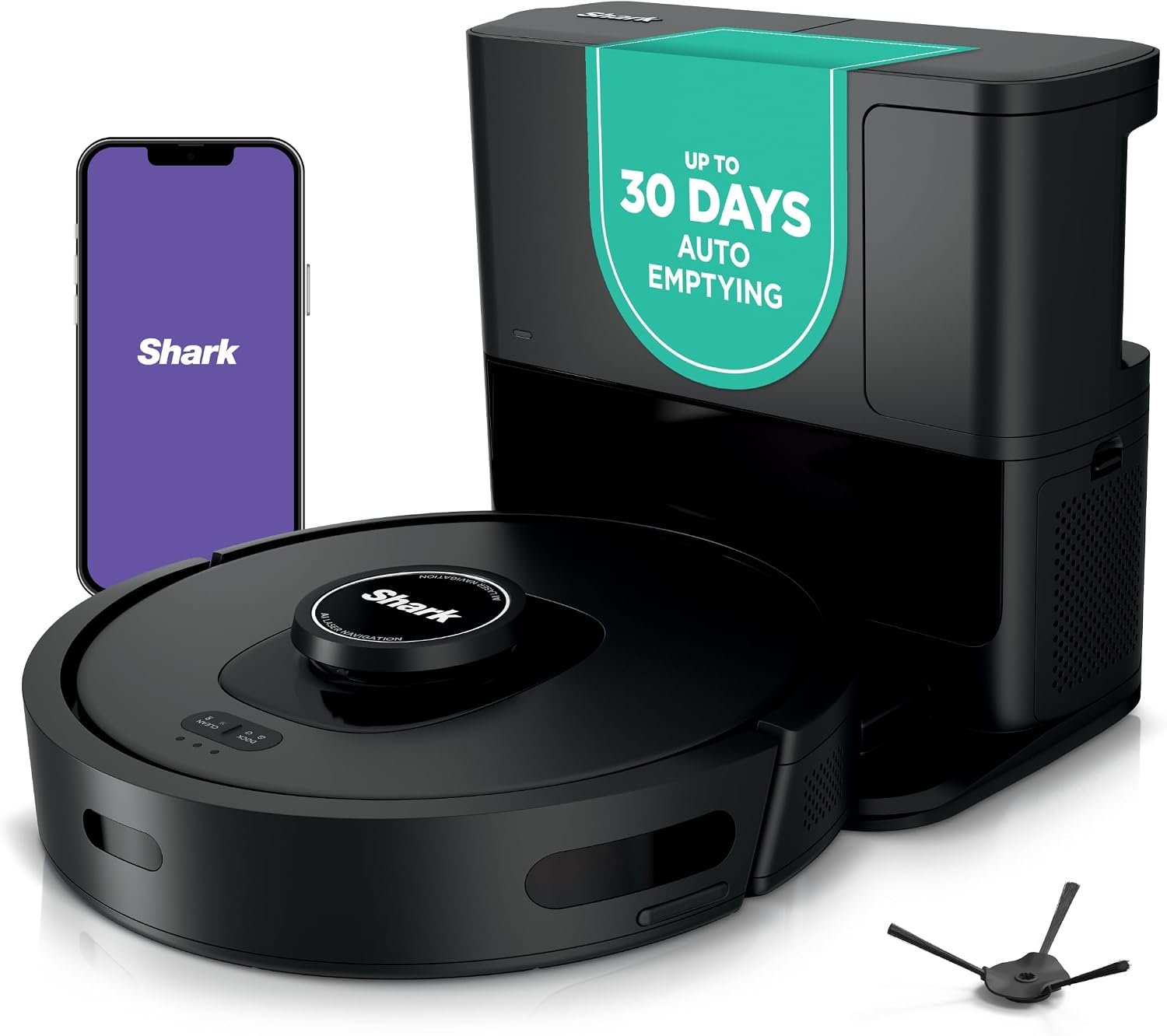
Shark AV2501S AI Ultra Robot Vacuum, with Matrix Clean, Home Mapping, 30-Day Capacity HEPA...
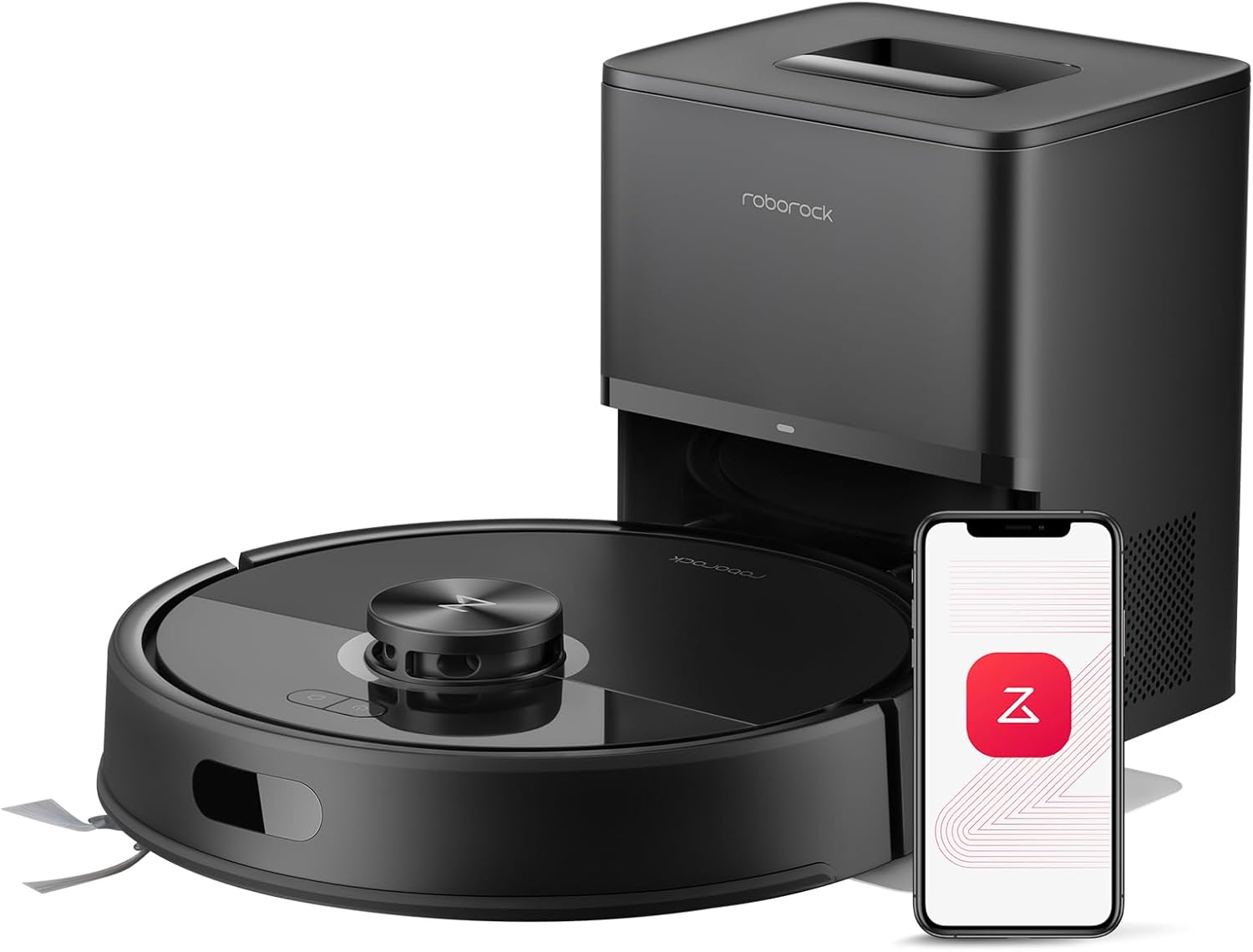
Roborock Q7 M5+ Robot Vacuum and Mop with Self-Empty
Choosing a Robot Vacuum for Pets
Start with the floors and messes you clean most, since carpet, hard floors and pet hair each push a robot vacuum in a different direction. Then check how much upkeep the dock and bin will need. Pet owners should look at brush design and dock capacity together. Hard floors that get mopped often can benefit from a self-cleaning mop station for less daily upkeep.
Suction Power for Carpets
Look for a suction rating in Pa along with the number of suction levels, because carpets need more force than bare floors. Higher suction helps with embedded dust and pet hair in rugs. The DREAME L40 Ultra Gen 2 lists 25,000Pa with five levels, and the Narwal Freo Z10 Turbo uses a pressurizing brush plate on carpet to strengthen suction.
Self-Emptying Base and Bin Size
Check how long the base can hold debris before it needs emptying. A larger bin means fewer trips to the dock for dust and pet hair. The Shark PowerDetect AV2820S has a 30-day capacity base with a HEPA filter, and the Narwal Freo Z10 Turbo dock auto-empties 2.5 L.
Tangle-Free Brushes for Pet Hair
Pet hair wraps around brush rolls, so look at how the brush is built and how often it needs cleaning. A floating roller brush paired with a side brush can reduce tangles on long fur. The Narwal Freo Z10 Turbo describes a floating roller and reversing side brush for this purpose, and the DREAME L40 Ultra Gen 2 focuses more on suction and corner reach.
Edge and Corner Coverage
Corners and baseboards often collect the most dust, so check how far the brush or mop reaches. Extending parts and edge-focused air features help. The DREAME L40 Ultra Gen 2 extends its brush and mop into corners, the Narwal Freo Z10 Turbo uses EdgeSwing for its mop pad, and the Shark PowerDetect AV2820S uses EdgeDetect air blasts to move debris from edges.
Robot Vacuum Questions and Answers
How often does a self-emptying robot vacuum base need to be emptied?
It depends on the base capacity and how much dust and pet hair the home produces. Some bases are rated to hold up to 30 days of debris, which means far fewer trips to the bin than a standard robot vacuum. Check the product label for the exact capacity and emptying instructions.
Can a robot vacuum pick up pet hair from carpets?
Many models use stronger suction and brush designs aimed at long hair and fur. Look for a floating or tangle-resistant brush and regular brush cleaning to keep suction steady. Read the product label for the brush care steps and any limits on thick rugs. Homes with pets and low furniture often benefit from a low profile robot vacuum that fits under beds and sofas.
How do I clean the brushes on a robot vacuum?
Remove the brush roll and side brushes, then cut away hair wrapped around them with scissors or a brush tool. Rinse or wipe the parts only as the manufacturer directs, and let them dry fully before reinstalling. Follow the product label for the correct cleaning method.
Are robot vacuums suitable for hard floors and carpets in the same home?
Yes, many robot vacuums adjust suction when they detect carpet, and some lift mops off carpet while cleaning hard floors. Check whether the model has carpet detection and whether its mop lifts or pauses on rugs. Confirm the surface guidance on the product label for your floor type.
Do robot vacuums need a dock or base to store them between cleaning runs?
Most robot vacuums return to a charging dock, and some docks also empty the bin or wash the mop. Make sure there is clear space around the dock and a power outlet nearby. Check the product label for dock placement and maintenance steps.


