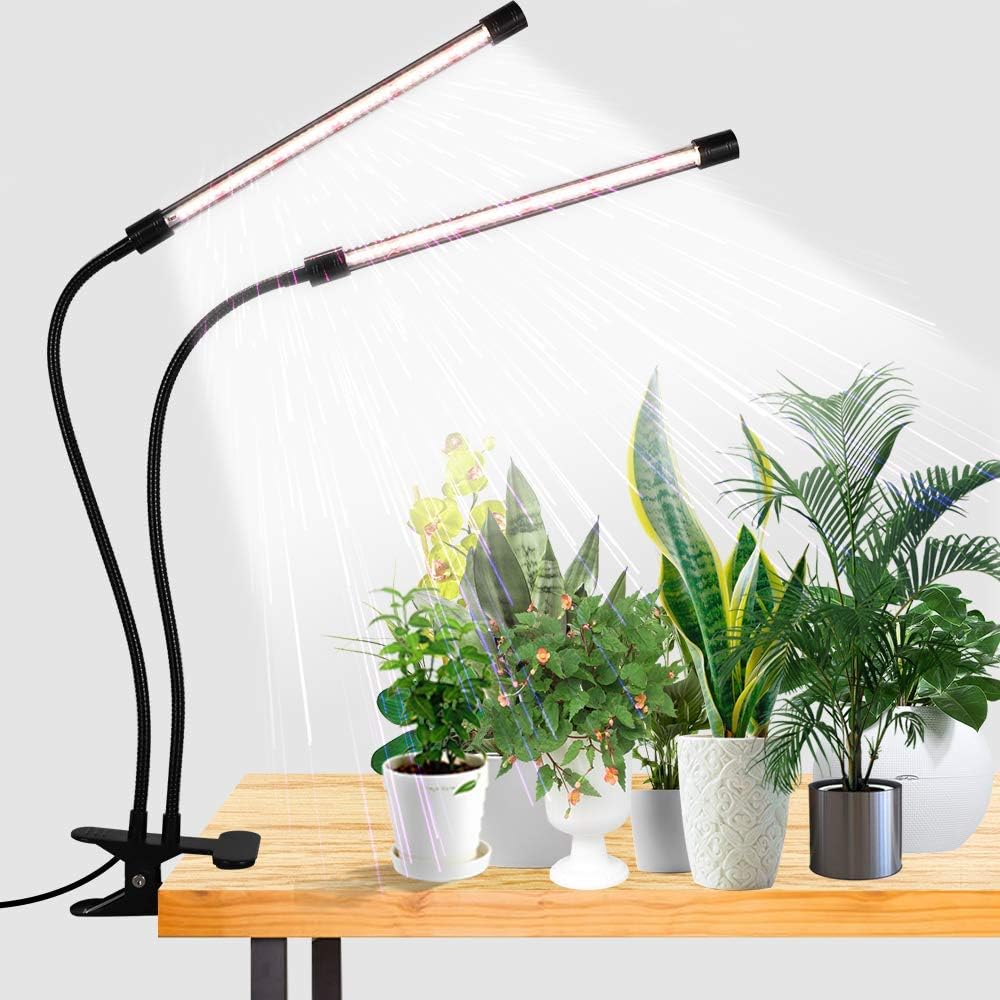
Choosing the right Best Reading Light Bulb For Eyes means balancing brightness, color, and how light affects your eyes and sleep. The bulbs here offer different approaches: standard warm white for general reading comfort, pure red light to signal your body for sleep, and deep amber to block blue light while staying bright enough to read by.
If you read during daytime or in active rooms, warm white dimmable bulbs work well. For evening reading that won’t disrupt sleep, red or amber options are designed to promote melatonin. All are LED, so they use far less energy than older bulbs. Anyone who spends long evenings under artificial light may notice that bulbs gentle on the eyes make a real difference.
What to Compare
These bulbs differ most in color temperature, brightness, blue light blocking, and how long they last. Some are dimmable, and they come in different pack sizes and physical shapes. Check the wattage and lumens to see how they replace older incandescent bulbs.

GE Relax LED Light Bulbs, 60 Watt, Soft White, A19 (4 Pack)

Neporal Red Light Bulbs for Sleep 9W, 100% Blue Light Blocking Red Night Light, 625nm LED...

9W Amber Sleep Aid Light Bulbs, 1800K Soft Warm Lighting, 2 Pack

Neporal Full Spectrum Light Bulb 15W 1000LM Bright, High 90 CRI & Flicker-Free & UV-Free...
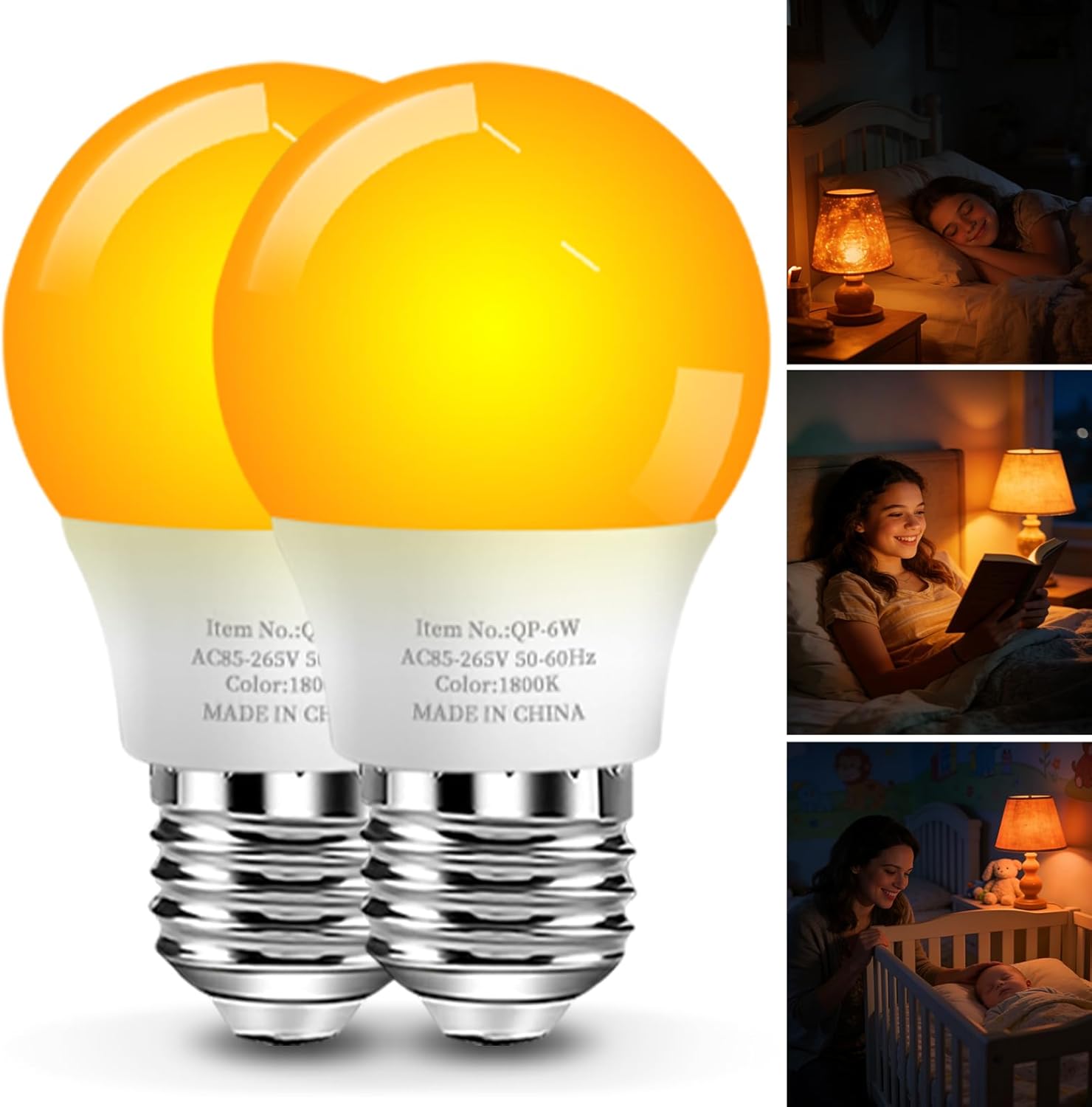
1800K Amber Sleep Light Bulbs, 99.96% Blue Light Blocking, A15 6W(40 Watt Equivalent) Soft...
Which Bulb Fits Your Space?
Your choice depends on when you read, how bright you need light, and whether you want to block blue light for better sleep. Here are four common situations. Your light bulb wattage for reading should also match how far the lamp sits from your book.
- When you read: daytime, evening, or bedtime
- How bright: general reading versus soft ambient light
- Sleep impact: whether you read right before bed
- Fixture size: standard A19 versus compact A15 lamps
Daytime or Early Evening Reading in Active Rooms
GE Relax LED works well if you read during the day or in family spaces. It delivers 800 lumens with warm white light and works with most dimmer switches, so you can adjust brightness to suit the time of day. Neporal Full Spectrum offers 1000 lumens with a high 90 CRI for the most accurate color, though it uses more wattage and doesn’t block blue light.
Bedtime Reading Without Sleep Disruption
Neporal Red Light uses pure 625nm red light to block blue and green wavelengths entirely, signaling your brain to produce melatonin. At 800 lumens, it stays bright enough for reading. If red light feels too monochrome, Neporal Amber Sleep at 1800K amber blocks 99.96% of blue light while feeling warmer and more like candlelight, though it’s dimmer at 700 lumens.
Evening Relaxation in Bedrooms or Nurseries
Amber Sleep Light offers a 1800K amber color and blue light blocking in a 2-pack, letting you outfit multiple fixtures. Neporal Amber Sleep in its smaller A15 form fits compact bedside lamps and tight shades where standard A19 bulbs won’t fit, making it ideal for cramped nightstands or small fixtures.
Maximum Brightness with Warm Comfort
Neporal Full Spectrum delivers 1000 lumens, the brightest option here, with 90 CRI color accuracy and flicker-free light. Choose this if reading comfort and accurate color matter more than blue light blocking, or if you need strong light in a larger space.
Our Picks
These three options cover the main reasons people shop for reading light bulbs: comfort in any room, sleep support through blue light elimination, and warm atmosphere without eye strain. These shoppers often want dimmable light bulbs for a bedroom or living room where brightness must shift through the evening.
Best for General Reading: GE Relax LED Light Bulbs: GE Relax LED delivers 800 lumens with warm soft white light that suits bedrooms, family rooms, and reading nooks. It dims smoothly with most switches, lasts up to 13.7 years on 3 hours daily use, and costs only 10 watts per bulb. Choose a different bulb if you read right before sleep or want to block blue light.
Best for Sleep-Focused Reading: Neporal Red Light Bulbs for Sleep 9W: Neporal Red Light uses 625nm red wavelengths to eliminate blue and green light entirely, which the specs say promotes melatonin production for sleep preparation. At 800 lumens and 9 watts, it stays bright enough for bedside reading while signaling your body to wind down. Pick another option if you dislike red-only light or read in daytime spaces.
Best for Warm Ambient Comfort: E26 A19 Dim Light Bulb for Bedside Lamp: Amber Sleep Light offers 1800K ultra-warm amber color that blocks blue light for evening use, comes as a 2-pack for multiple rooms, and works with most dimmer switches. Its warm glow mimics sunset tones without the harshness of standard LEDs. Consider Neporal Full Spectrum instead if you prioritize brightness and accurate colors over blue light blocking.
Questions About Reading Light Bulbs
What does ‘blue light blocking’ actually do?
Blue light signals your brain to stay alert. Bulbs labeled as blue light blocking use red or amber wavelengths (625nm or 1800K) instead, which don’t suppress melatonin the way blue light does. This helps signal your body that it’s time to wind down, especially useful for reading in the hour before sleep. Bedroom light bulbs with a soft glow suit a room used mostly for winding down at night.
Do I need a special dimmer switch for these bulbs?
Only if the bulb is marked dimmable. GE Relax LED and Amber Sleep Light are both dimmable and work with most standard dimmer switches. Non-dimmable bulbs may flicker or not work on a dimmer. Always check the bulb label before installing on a dimmer.
How do lumens and watts differ?
Watts measure energy used; lumens measure brightness. Per ENERGY STAR, 800 lumens replaces a 60-watt incandescent. You want higher lumens for more light while using fewer watts for efficiency. GE Relax and Neporal Red Light both deliver 800 lumens but use only 10W and 9W respectively.
Can I use red or amber bulbs during the day?
Yes, but they’re dim for daytime reading. Neporal Red Light and Neporal Amber Sleep both use less brightness than warm white options, so they work for evening or nighttime reading but may feel too dark for daytime use. Use warm white bulbs for daytime reading instead.
What does CRI mean, and why does it matter for reading?
CRI measures how accurately a bulb shows colors, on a scale where 80 is standard and 90 or higher is excellent. Higher CRI helps you see text, images, and details more clearly. Neporal Full Spectrum has a 90 CRI for more accurate color, which some readers prefer for long reading sessions.