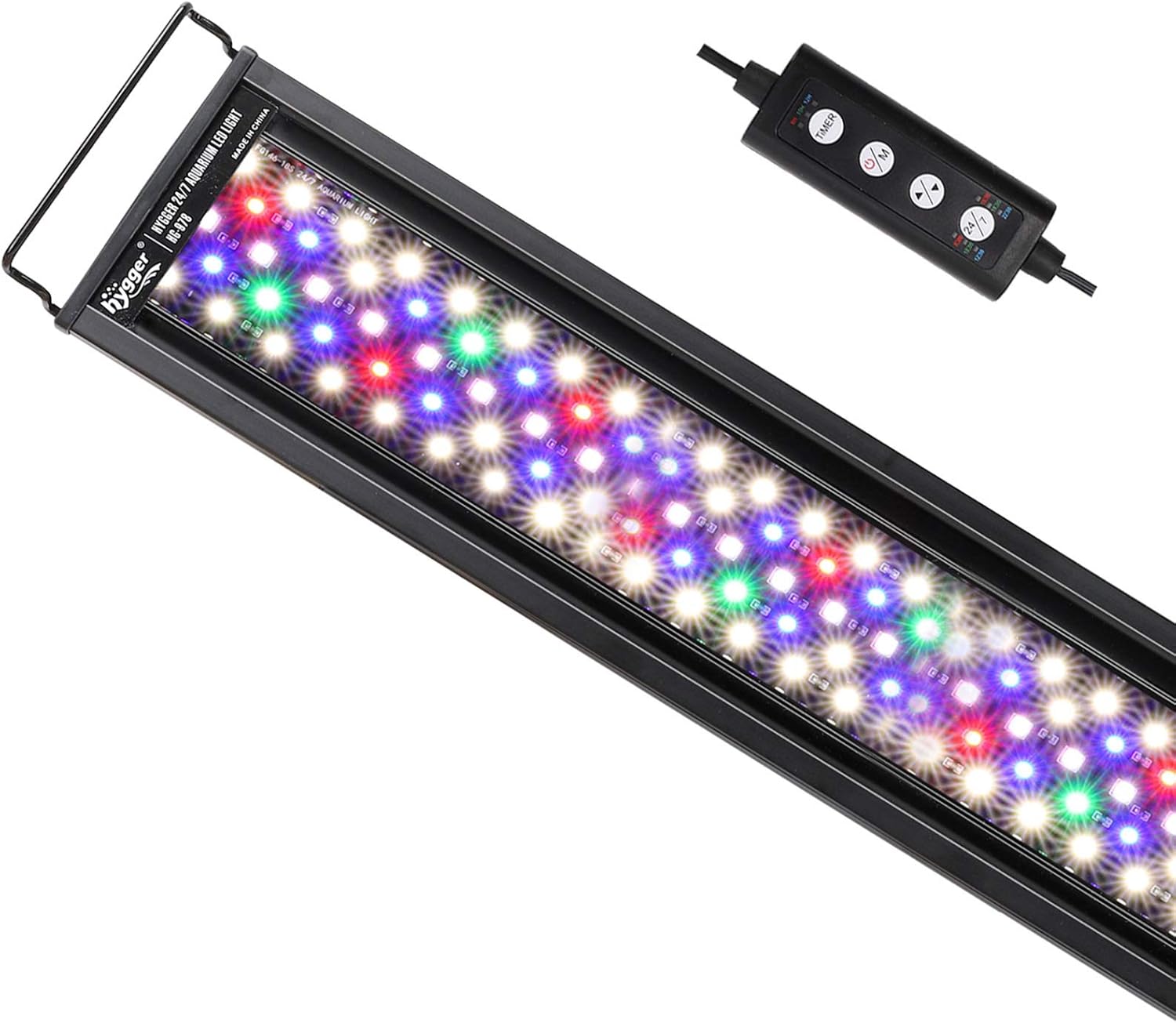
Best Grow Lights For Microgreens means choosing between compact fixtures for tight spaces, single-plant spotlights, and modular panels for shelves. All three styles here supply full-spectrum light designed for seedlings and young greens, but they differ in how you arrange them and how much power they draw.
If you’re starting seeds in a small tray, the Barrina T5 or GooingTop work in tight quarters. For a taller shelving unit, FECiDA panels let you stack coverage. And if you need timer automation, GooingTop and FECiDA both include it. For a soilless setup, the right hydroponic grow lights depend on how much room you have.
What to Compare
These three products differ most in light spectrum, power draw, timer features, and physical form. Pick based on your growing space, whether you need automated scheduling, and how many fixtures you plan to link or layer.

Barrina T5 Grow Lights for Indoor Plants, 5000K Full Spectrum, 1FT, 4 Packs
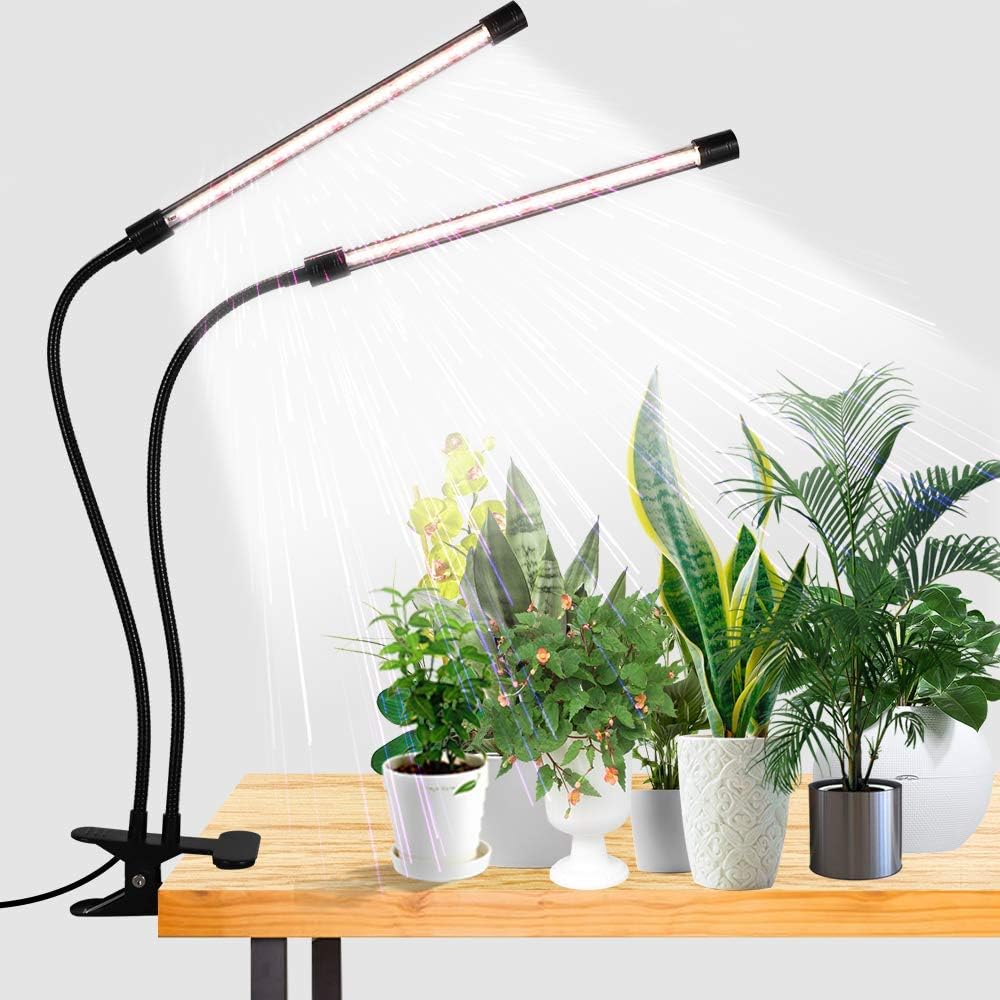
GooingTop Grow Light,6000K Full Spectrum Indoor Plant Growing Lamp

FECiDA High Output Flat Panel Grow Lights for Indoor Plants & Shelves
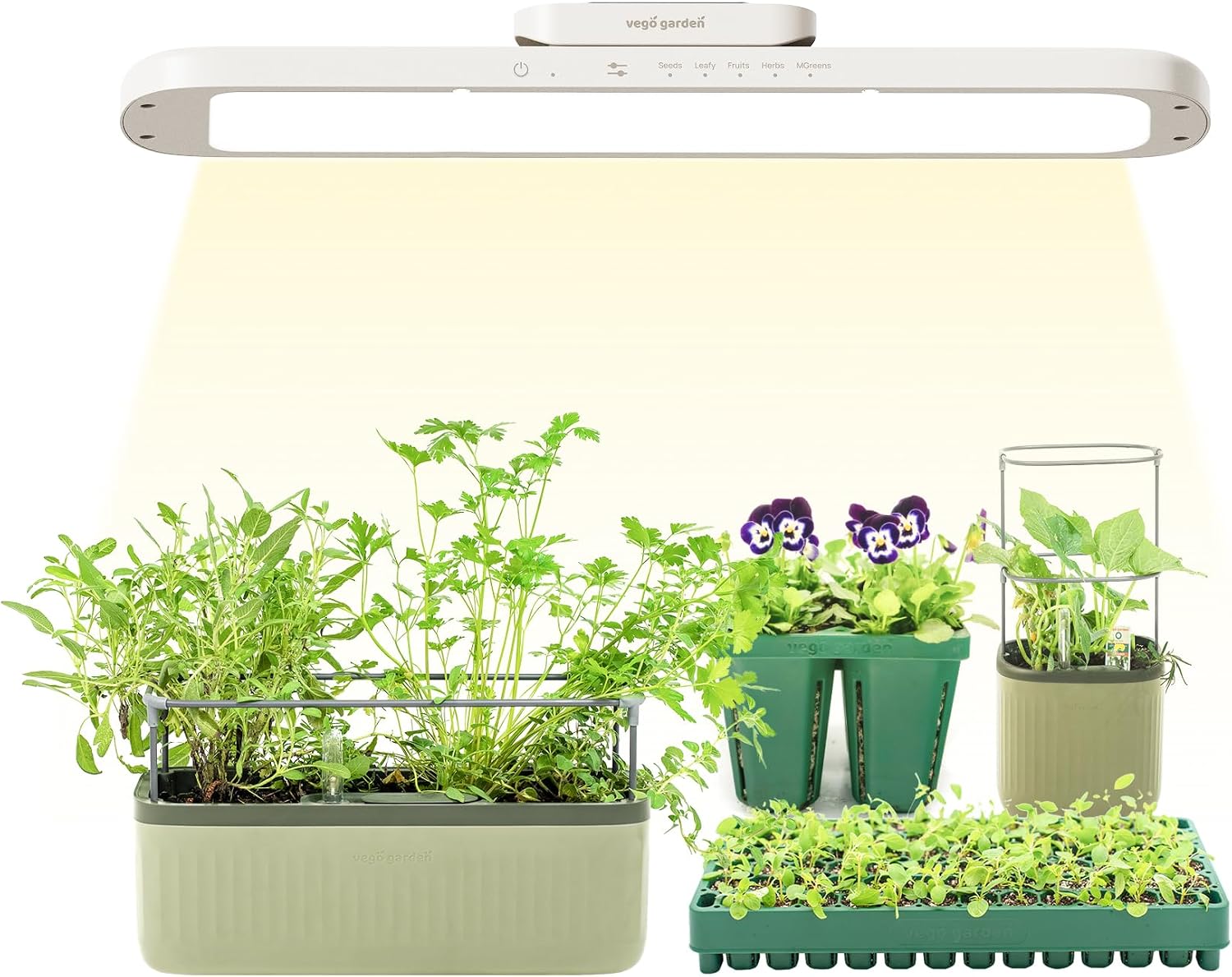
Vego Garden Grow Lights for Indoor Plants, Full Spectrum LED Grow Light with Customized 5...

Barrina Plant Grow Lights, 4FT 5000K Full Spectrum Daylight White, 6 Packs
Pick the Right Style for Your Setup
Your space and workflow determine which grow light works best. Consider whether you need a timer, how many plants you’re starting, and how much room you have for fixtures.
- Automation: Does your schedule require lights to turn on and off daily?
- Space: Are you filling a shelf, a small tray, or a single pot?
- Expandability: Do you want to add more fixtures later?
- Power source: Do you prefer USB, standard plug, or both?
Microgreens in a Seed Tray or Flat
The Barrina T5 is designed for 1-foot coverage and ships with four strips you can position side by side or link up to 16 together. Each strip has its own on-off switch, so you control them separately or as one unit. This works well for microgreens because the 5000K spectrum supports seedlings through early growth, and you consume only 20W per strip.
Alternatively, stack FECiDA panels above your flat if you want automated daily timing and don’t mind the extra setup of series-parallel connections.
Single Plant or Tabletop Setup
The GooingTop spotlight is built for one small plant or a desk corner. Its flexible gooseneck and strong clamp let you angle the light precisely, and it runs on USB or AC power, so you can plug it into a power bank or standard outlet. At just 10W, the monthly electricity cost stays around $2 for 12 hours daily use. It offers three timer modes (4, 8, or 12 hours per 24-hour cycle) if you want hands-off scheduling.
If you need five different timer options or plan to grow leafy greens on a large shelf later, upgrade to FECiDA panels instead.
Shelving Unit or Growing Cabinet
FECiDA flat panels are made for shelf mounting under cabinets or in indoor greenhouses. The panels connect in series or parallel, so you can arrange them side by side or end to end without messy power cables. The 5-mode timer lets you dial in 4, 8, 12, 16, or 20 hours per day. With 192 high-quality LEDs per 12W panel, the specs say the brightness is three times higher than other low-price panel models. Use them from seed starting through flowering and fruiting stages. Tomatoes grown indoors often need strong light once they begin to flower and set fruit.
If you prefer the simplicity of linked strips you can control individually, choose Barrina T5 instead, though it offers no timer function.
Our Picks
These three grow lights represent the range of Best Grow Lights For Microgreens: compact multi-unit strips, single flexible spotlights, and modular flat panels. Each excels in different growing environments.
Best for Compact Linking: Barrina T5 Grow Lights for Indoor Plants: The Barrina T5 gives you four 1-foot strips rated 4.60, each with 96 LEDs and a separate on-off switch. Link up to 16 together and control them independently or as one setup. The 5000K daylight spectrum and 20W power per unit suit microgreens in seedling and vegetative growth. Choose this if you want flexibility without timers and plan to expand your lighting later.
Lowest Power Draw: GooingTop Grow Light: GooingTop’s spotlight draws just 10W, equivalent to a 50-watt halogen bulb per the manufacturer, with a 95 color rendering index for soft, flicker-free light. Its flexible gooseneck, strong clamp, and USB or AC power option fit tabletops and desk corners. The 3-mode timer (4, 8, or 12 hours per 24-hour cycle) automates daily schedules. Pick this for a single small microgreens container or as a reading lamp that doubles as a grow light.
Most Automated: FECiDA High Output Flat Panel Grow Lights for: FECiDA flat panels offer five timer modes (4, 8, 12, 16, or 20 hours daily), series-and-parallel connection, and 192 LEDs per 12W panel. The mixed spectrum combines 3000K, 5000K, and 660nm red light for seed starting through fruiting. Mount them flat under shelves or in cabinets. Choose this if you want automated daily cycling and clean wiring for a larger shelving system.
Questions About Best Grow Lights For Microgreens
What color temperature do microgreens need?
Microgreens thrive under daylight-range spectrum, typically 5000K or higher. The Barrina T5 delivers 5000K, GooingTop offers 6000K, and FECiDA blends 3000K, 5000K, and 660nm red light. All three are designed to support seedlings and young greens. Higher color temperatures mimic midday sun and promote leafy growth. Small grow lights fit well on narrow shelves and under cabinets where space is limited.
Can I connect multiple grow lights together?
Yes, but it depends on the product. Barrina T5 strips link in series up to 16 units per power cord, with individual on-off switches. FECiDA panels connect in series or parallel, so you can arrange them flexibly. GooingTop is a single gooseneck unit and does not chain to others, though you can plug multiple units into different outlets.
Do these lights have timers?
GooingTop and FECiDA both include timers. GooingTop offers three preset options (4, 8, or 12 hours per 24-hour cycle). FECiDA provides five modes, letting you set 4, 8, 12, 16, or 20 hours daily. Barrina T5 has no built-in timer; you control it with an on-off switch or plug it into a separate timer outlet.
What is PPFD and why does it matter for microgreens?
PPFD (photosynthetic photon flux density) measures light particles plants absorb. Barrina T5 specs emphasize high PPFD with 96 LEDs per unit, claiming over 95 percent light energy absorption despite low 20W power draw. All three products are designed so plants absorb most of the light output, reducing wasted energy.
How much electricity will these lights use?
GooingTop uses about 10W and costs roughly $2 monthly at 12 hours daily use. Barrina T5 uses 20W per strip, so four strips running 12 hours daily would cost roughly four times more. FECiDA panels consume 12W each. Actual costs vary by local electricity rates and daily hours run. Use the timer function to stay within a consistent schedule.