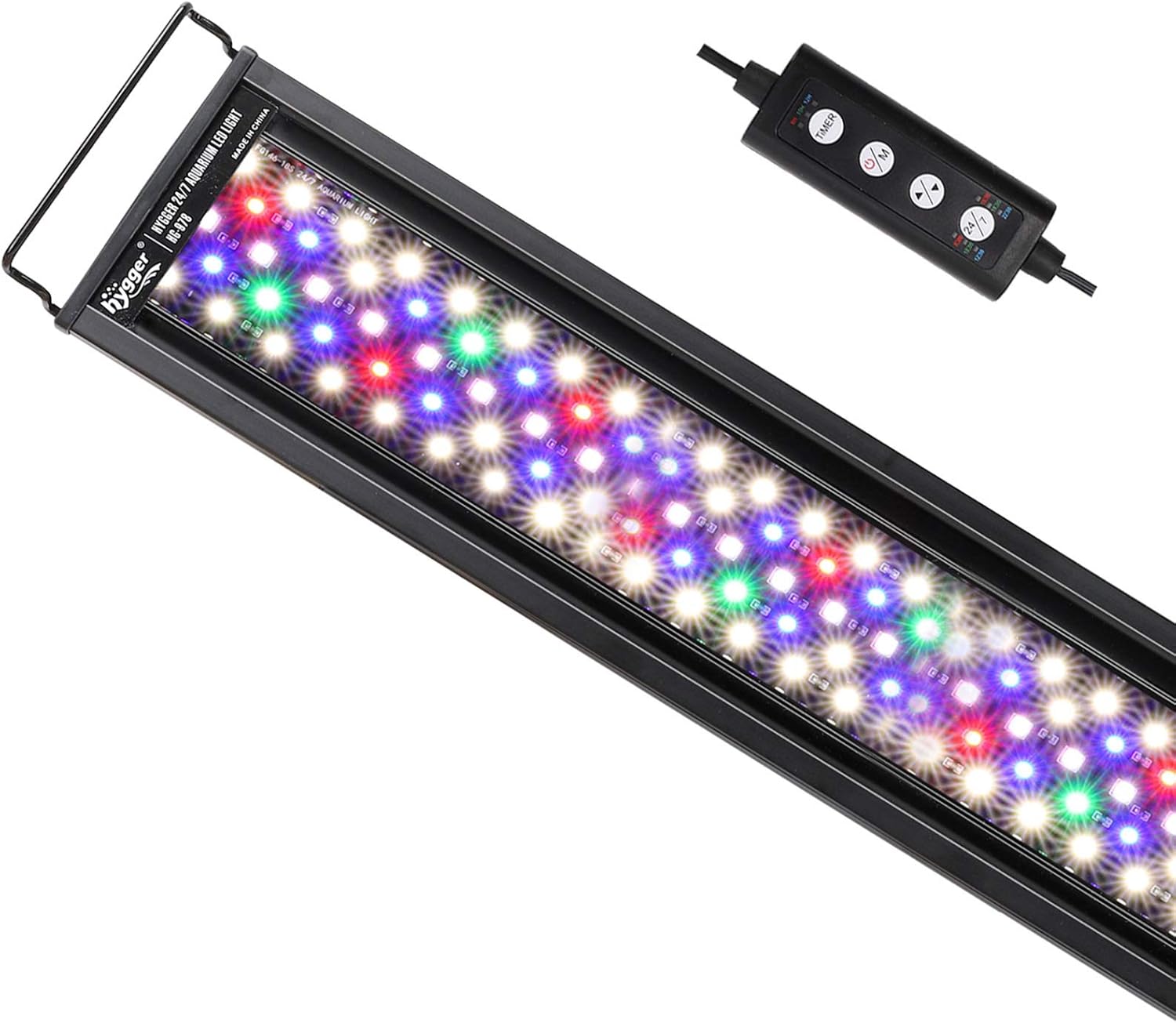
When growing tomatoes indoors, you need light that supports both leafy vegetative growth and flowering and fruiting. Best Grow Lights For Tomatoes Indoors range from tabletop clip lamps drawing 10 watts to tent fixtures at 100 watts, each with spectral modes that shift between blue-heavy light for veg and red-heavy for blooms.
Pick a compact gooseneck if you’re starting seedlings on a shelf. Choose a mid-power fixture with adjustable height if you’re setting up a dedicated growing area. Go for a high-power tent light only if your space, electrical setup and tomato volume justify the investment. Keep the height adjustable if you also want to raise succulents beside your tomatoes, since succulent grow lights need careful distance from the foliage.
What to Compare
These lights differ most in total power output, spectrum options, dimmability, timer presets, and heat management. All deliver full-spectrum white light plus tunable red and blue; the real choice is whether you need portability, precision control or raw coverage.

Spider Farmer SF1000 LED Grow Lights for Indoor Plants in 2x2/3x3 Grow Tent
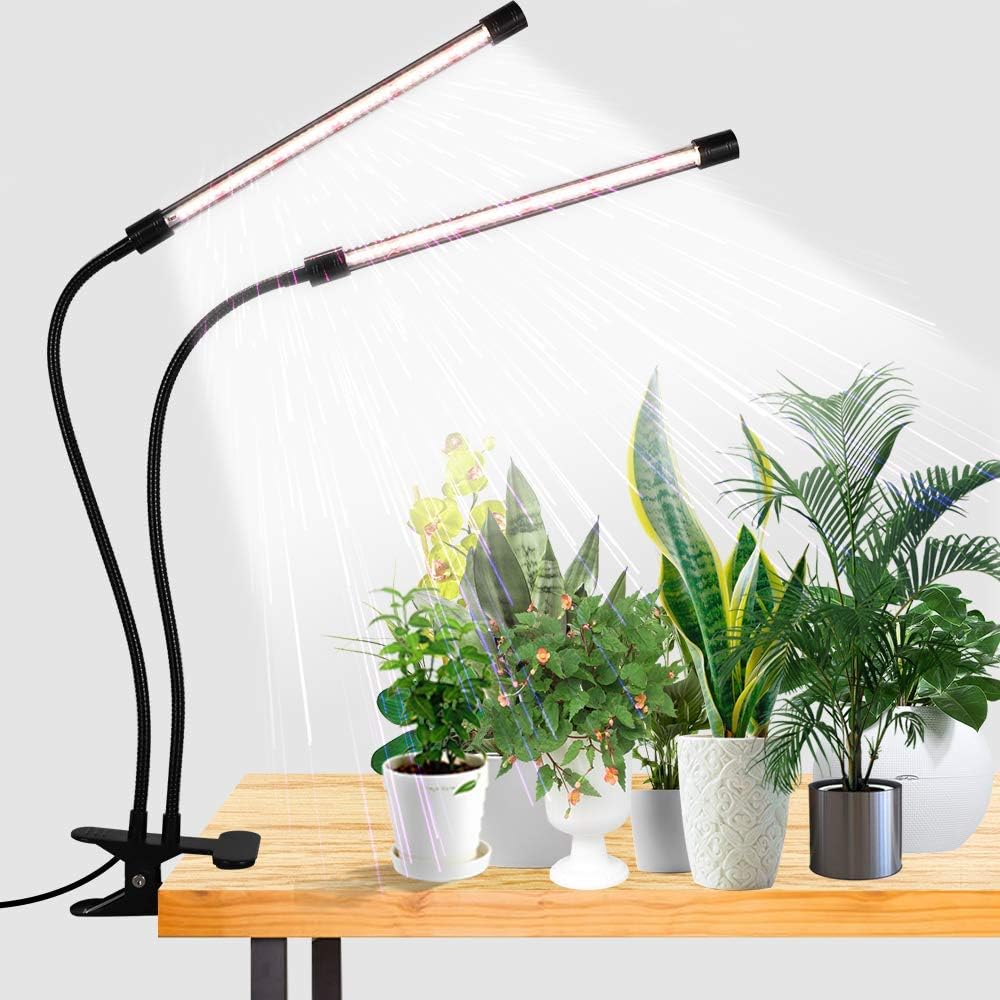
GooingTop Grow Light,6000K Full Spectrum Indoor Plant Growing Lamp

LEOTER Grow Light for Indoor Plants - Upgraded Version 80 LED Lamps with Full Spectrum & R...

LBW Grow Light for Indoor Plants, 642 LEDs Grow Light with Stand

Boostgro LED Seed Starter Grow Light 4FT Full Spectrum Linkable 5000k Daylight + 660nm Red...
Which Light Fits Your Growing Setup
Your choice depends on growing area size, whether you’ll move the light, and how much control you want over spectrum at different plant stages. Your plant’s stage and shelf height also shape which full spectrum grow lights fit your space best.
- Compact footprint and portability
- Seedling-to-harvest versatility with spectrum switching
- Coverage for small vegetable shelves
- Minimal ongoing maintenance and heat concerns
Tabletop Seedling Trays
The GooingTop 6000K suits small seedling setups with its 10-watt draw, flexible gooseneck and clamp. It has limited spectral control but its 6000K daylight color resembles noon sun for healthy early growth. If you want more spectrum flexibility as seedlings mature, choose the LEOTER instead; you’ll gain three spectral modes and 10 dimming levels, though you’ll need to manage a larger four-head footprint.
Single Tomato Plant or Container
Start with the GooingTop’s modest 10-watt draw and adjustable angle for one or two indoor pots. If that feels cramped once fruiting begins, the LEOTER’s 80 LEDs and three spectral modes let you dial in red-heavy light for flowering without buying a second fixture; the trade-off is more desk space.
Small Indoor Garden Section
The Spider Farmer SF1000 covers a 2×2 or 3×3-foot area with 100 watts and includes 660-nanometer red plus infrared specifically for speeding bloom and boosting yields on tomatoes. You’ll get dimming control and five-year warranty. The LBW 642 LED offers similar coverage area with 642 individual diodes, but Spider Farmer’s infrared wavelength and lower noise (fanless design) make it more targeted for fruiting; LBW wins if you need height adjustment from 27.8 to 63 inches on a fixed tripod.
Multiple Tomato Plants or Commercial Growing
The Spider Farmer SF1000 supports multi-light connection with unified dimming control across the setup. Its 2.5 µmol/J system efficiency and new diode layout deliver uniform light coverage from surface to canopy bottom. Choose this if you’re committing to indoor tomato production across multiple plants or expanding later.
Our Top Picks
These three lights balance spectrum completeness, control flexibility and real-world durability for indoor tomato growing at different scales. These growers keeping sundews or pitcher plants in a dim room through winter often need grow lights for carnivorous plants.
100W Coverage with Infrared: Spider Farmer SF1000 LED Grow Lights for Indoor: The Spider Farmer SF1000 delivers 100 watts across a 2×2 or 3×3-foot area with full spectrum plus 660-nanometer red and dimmer infrared 760nm wavelengths that accelerate tomato blooming and yield. Its dimmable knob, scheduled on/off cycling, and five-year warranty suit anyone running a dedicated indoor garden or scaling to multiple fixtures. Choose another product if your tomato container sits on a desk—you’ll want something smaller and quieter.
Compact Daylight Gooseneck: GooingTop Grow Light: The GooingTop 6000K draws only 10 watts and clamps to any shelf or pot edge with a flexible neck, making it ideal for one or two seedlings or sprouting tomato seeds under normal room light. Its 6000K daylight spectrum and high 95 color-rendering index mimic noon sun for healthy early growth. Pick the LEOTER if you want spectrum modes to shift from vegetative to fruiting without buying a second light.
Multi-Spectrum with Memory Timer: LEOTER Grow Light for Indoor Plants: The LEOTER 80 LED gives you three distinct spectral modes—full spectrum for sprouting, red-blue for blooming, and a mixed warmth for overall growth—plus 10 dimming levels and a circular memory timer that keeps your schedule even after power loss. Its four-head gooseneck and aviation-grade heat sink pack versatility into a mid-size footprint. Switch to the Spider Farmer if you need more absolute power and coverage for a full shelf of tomatoes.
Frequently Asked Questions
What color of light do tomatoes need to flower and fruit indoors?
Tomatoes need red light at 660 nanometers during flowering and fruiting to promote blooming and yield. All five lights here include red wavelengths. The Spider Farmer SF1000 explicitly features 660nm red plus infrared 760nm for this stage. The LEOTER and Boostgro also include 660nm red. Shift away from strong blue (which promotes leafy growth) once tomato flowers appear. Leafy herbs on a windowless shelf often grow well under white full-spectrum light, so picking the right grow light color for indoor plants matters.
Can I use one of these lights for multiple growth stages?
Yes, if it has switchable spectra or dimming. The LEOTER offers three spectrum modes to match sprouting, blooming and mixed growth. The Spider Farmer dims from full intensity, letting you reduce light as seedlings emerge. The GooingTop stays at 6000K daylight year-round. The LBW and Boostgro deliver full spectrum but lack mode-switching, so they work across all stages without adjustment.
How much electricity does a grow light use each month?
The GooingTop at 10 watts costs roughly $2 per month at 12 hours daily. The Boostgro at 30 watts would cost about $6. The Spider Farmer at 100 watts would cost approximately $20. Exact cost depends on local electricity rates. Lower wattage suits small seedlings and potted herbs; higher wattage handles larger plants and bigger canopies.
What warranty should I expect?
The Spider Farmer SF1000 offers five years of after-service support in the US, Canada, UK, EU and Australia. The GooingTop provides 365 days. The LEOTER does not list a specific warranty period. The LBW includes 12 months plus 30 days satisfaction guarantee. The Boostgro backs its light with a three-year limited warranty. Longer warranties signal manufacturer confidence.
Can I link multiple lights together if I add more tomato plants?
The Spider Farmer SF1000 and Boostgro both support multi-light connection. The Spider Farmer adds unified dimming control across all units. The Boostgro allows daisy-chaining up to four 4-foot fixtures on one circuit. The GooingTop, LEOTER and LBW do not mention linkage, so each would need its own timer and power outlet.