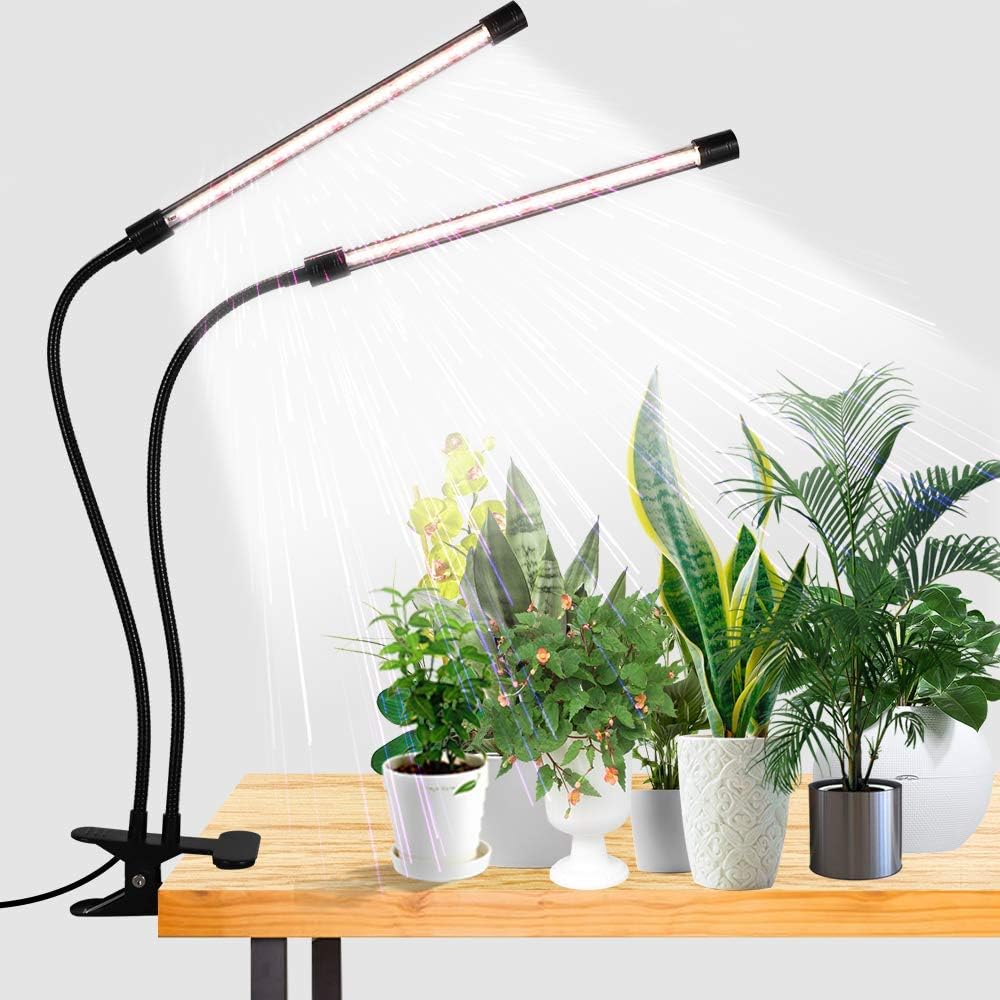
Getting exposure right starts with Best Photography Light Meter that reads the light reaching your subject. Whether you’re balancing studio flash, shooting outdoors in bright sun, or capturing film at specific frame rates, the right meter gives you exposure data accurate to a tenth of a stop. Shooters who move between locations often carry a compact portable light for photography to fill shadows on set.
Sekonic makes meters for still photographers who need incident and spot metering, filmmakers requiring cine frame rates and shutter angle control, and hybrid creators working across both formats. We’ve picked three models that cover these needs with different interfaces and portability.
What to Compare in Best Photography Light Meter
These meters differ in their spotting capability, display type, flash features, and specialized shooting modes. Your choice depends on whether you need a compact pocket meter, a touchscreen interface for quick adjustments, or advanced spot metering with radio flash control.
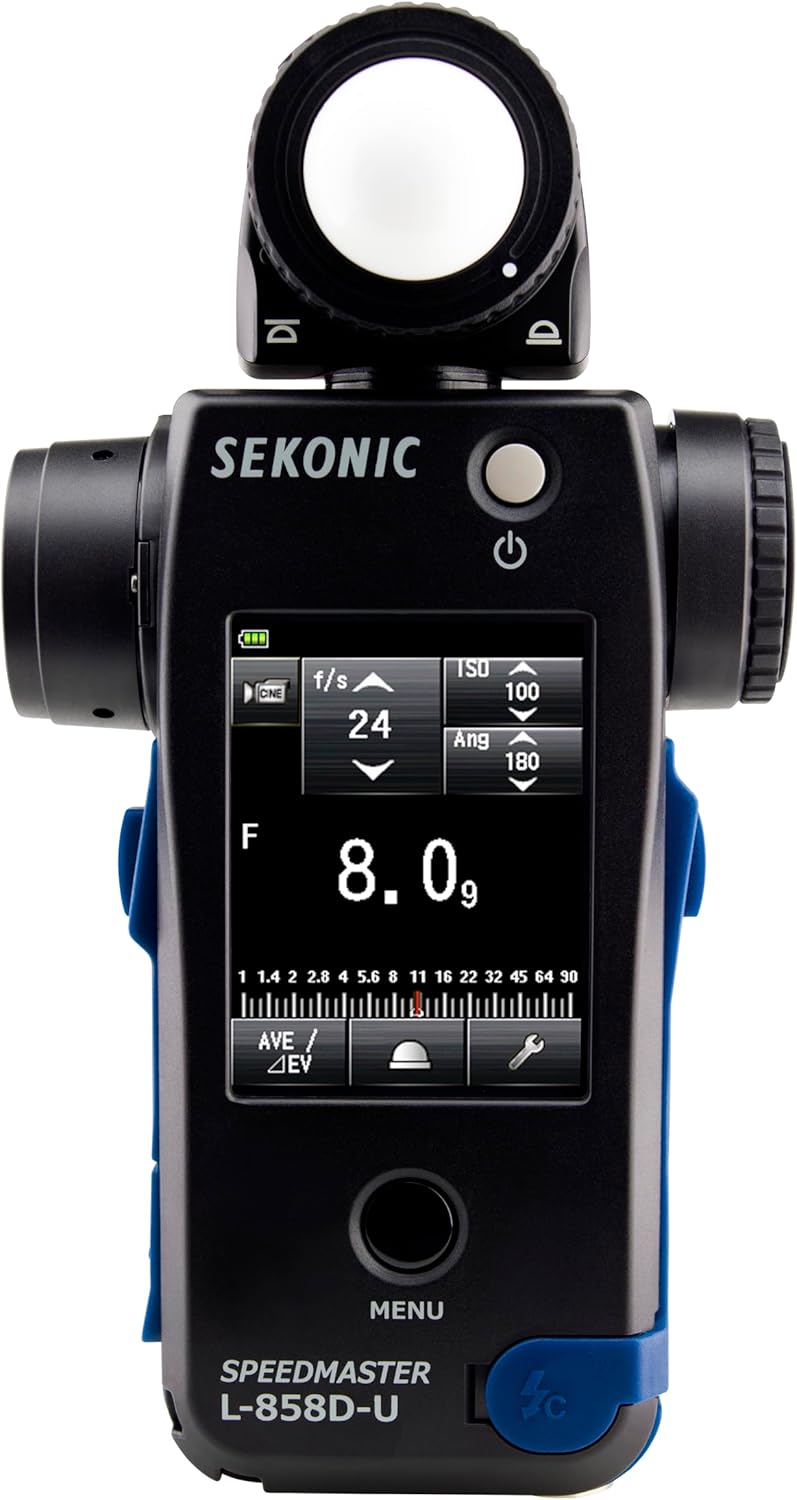
Sekonic L-858D-U Speedmaster Light Meter

Sekonic LiteMaster Pro L-478D-U Light Meter, Touchscreen Incident & Reflected Meter with F...
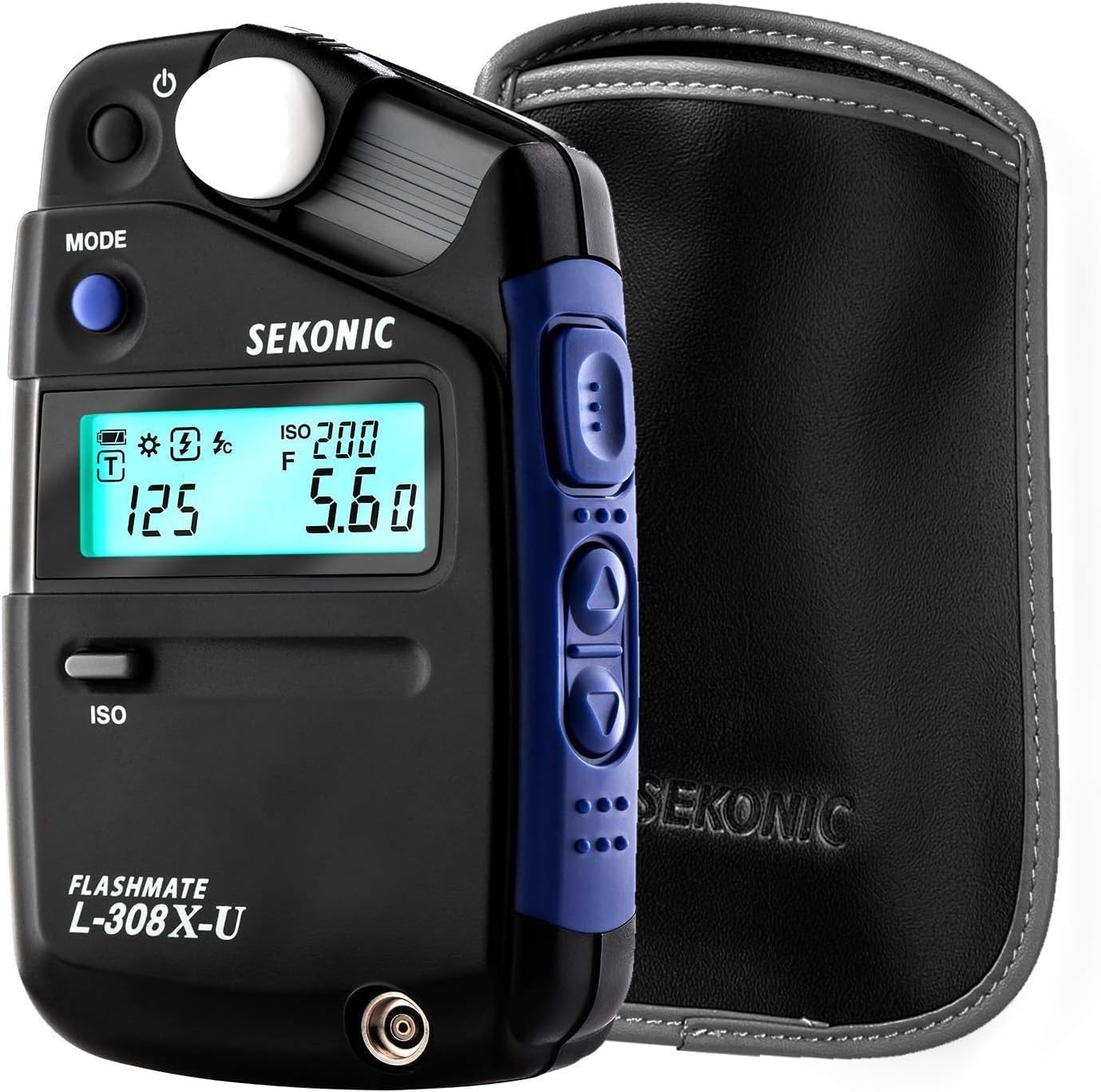
Sekonic L-308X-U Flashmate Light Meter, Compact Digital Incident & Reflected Exposure Mete...

Sekonic L-858D-U Speedmaster Light Meter with RT-GX Transmitter Module, Incident & 1∞ Spot...

Light Meter Digital Illuminance Meter Handheld Ambient Temperature Measurer, Range up to 2...
Who Should Buy Which Meter
Your workflow determines which meter makes sense. Consider whether you need precise spot readings, motion-picture frame rates, touchscreen speed, or maximum portability. Your close-up portraits may also need soft, even fill, and ring lights for photography can supply it.
- Spotting capability: 1° pinpoint reading versus 5° wider area
- Interface: Digital buttons versus touchscreen
- Flash analysis: Duration measurement, HSS evaluation, or ratio calculation
- Portability: Full-featured desktop versus pocket-sized
Professional Flash Photographers
The Sekonic Speedmaster suits you if you work with complex flash setups in studios or on location. Its 1° spot viewfinder and flash duration measurement, including HSS evaluation, let you analyze brief flash bursts for motion freezing. If you use Phottix, Elinchrom, or PocketWizard triggers, radio control is built in. Choose the Sekonic Flashmate instead if you want pocket-sized portability and don’t need spot metering.
Filmmakers and Hybrid Creators
The Sekonic LiteMaster Pro is built for you with dedicated cine mode supporting frame rate and shutter angle configuration. Its large touchscreen accelerates exposure adjustments in fast-moving shoots, and flash analyzing function calculates flash-to-ambient ratios for balanced studio and location lighting. The Sekonic Flashmate offers cine and HD cine modes too, but loses the touchscreen interface and flash analyzing capability.
Field and Location Photographers
The Sekonic Flashmate fits your pocket and handles photo, cine, and HD cine modes. Its LCD auto backlight reads in dim conditions, and accuracy down to one-tenth of a stop suits both stills and video. The Speedmaster offers spot metering for highlight and shadow analysis, though it’s larger and doesn’t fit in a pocket as easily.
Lighting Design and Technical Analysis
The Sekonic LiteMaster Pro adds illuminance and luminance measurement modes beyond basic exposure, letting you evaluate lighting in technical depth. Its optional 5° spot attachment enhances reflected metering for selective subject analysis. The other two meters focus on exposure-critical metering without these extended technical functions.
Our Picks
These three Sekonic meters represent the most capable options for different photography and filmmaking needs. Each handles incident and flash metering with the accuracy professionals expect. These days, many people also need video conferencing lights to keep their face evenly lit during late-evening calls from a dim home office.
Spot metering & flash control: Sekonic L-858D-U Speedmaster Light Meter: The Sekonic Speedmaster delivers a 1° spot viewfinder for precise highlight and shadow analysis, plus flash duration measurement including HSS evaluation and radio triggers for Phottix, Elinchrom, and PocketWizard systems. It suits studio and location photographers managing complex multi-light setups. Choose the LiteMaster Pro if you also shoot cine and want a touchscreen interface.
Filmmaking & touchscreen speed: Sekonic LiteMaster Pro L-478D-U Light Meter: The Sekonic LiteMaster Pro combines incident and flash metering with dedicated cine mode supporting frame rate and shutter angle control, plus flash analyzing function to evaluate flash-to-ambient ratios. Its large color touchscreen enables fast exposure adjustments in fast-moving shoots, and illuminance and luminance measurement extend technical lighting evaluation. Pick the Flashmate if you prefer a pocket meter and don’t need the touchscreen or cine-specific features.
Compact portability: Sekonic L-308X-U Flashmate Light Meter: The Sekonic Flashmate fits your pocket while supporting photo, cine, and HD cine modes with one-tenth stop accuracy. Its LCD auto backlight works in dim conditions, and cordless flash measurement covers most electronic flash work. The Speedmaster offers superior spot metering if you analyze complex shadows and highlights on location.
Questions About Photography Light Meters
What’s the difference between incident and reflected metering?
Incident metering measures light falling on your subject from the meter’s position, reading the same light your camera will receive. Reflected metering reads light bouncing off the subject itself. All three Sekonic models measure incident light. The Sekonic Speedmaster and Flashmate add reflected capability; the LiteMaster Pro offers optional 5° reflected spot metering with an attachment.
What does spot metering do in a light meter?
Spot metering reads light from a narrow angle, letting you measure specific highlights or shadows without averaging the entire scene. The Sekonic Speedmaster includes a 1° spot viewfinder for pinpoint readings. The Sekonic LiteMaster Pro adds a 5° reflected spot with an optional attachment. The Flashmate focuses on incident metering without dedicated spot capability.
Which meter works best for video and film?
The Sekonic LiteMaster Pro and Flashmate both offer cine mode with frame rate and shutter angle control for cinema cameras. The LiteMaster Pro adds an HD cine mode for DSLR and mirrorless video work, plus a touchscreen for fast adjustments. The Flashmate includes HD cine mode too. The Speedmaster prioritizes still photography and flash measurement. The lighting needs of a home video call often favor a ring light for video conferencing.
Can these meters measure flash duration?
The Sekonic Speedmaster alone measures flash duration, including HSS output with t.1 and t.5 evaluation for high-speed photography. The Sekonic LiteMaster Pro offers flash analyzing function to evaluate flash-to-ambient ratios. The Flashmate reads electronic flash output but doesn’t measure duration or HSS performance.
What’s the measuring range on these meters?
The Sekonic Speedmaster covers EV -5 to 22.9 at ISO 100, handling very dim to very bright conditions. The Sekonic Flashmate offers EV 0 to 19.9 for ambient at ISO 100, with flash f-stops from f/1.0 to f/90.9. The LiteMaster Pro specs don’t list an overall EV range but support illuminance and luminance measurement for extended technical evaluation.