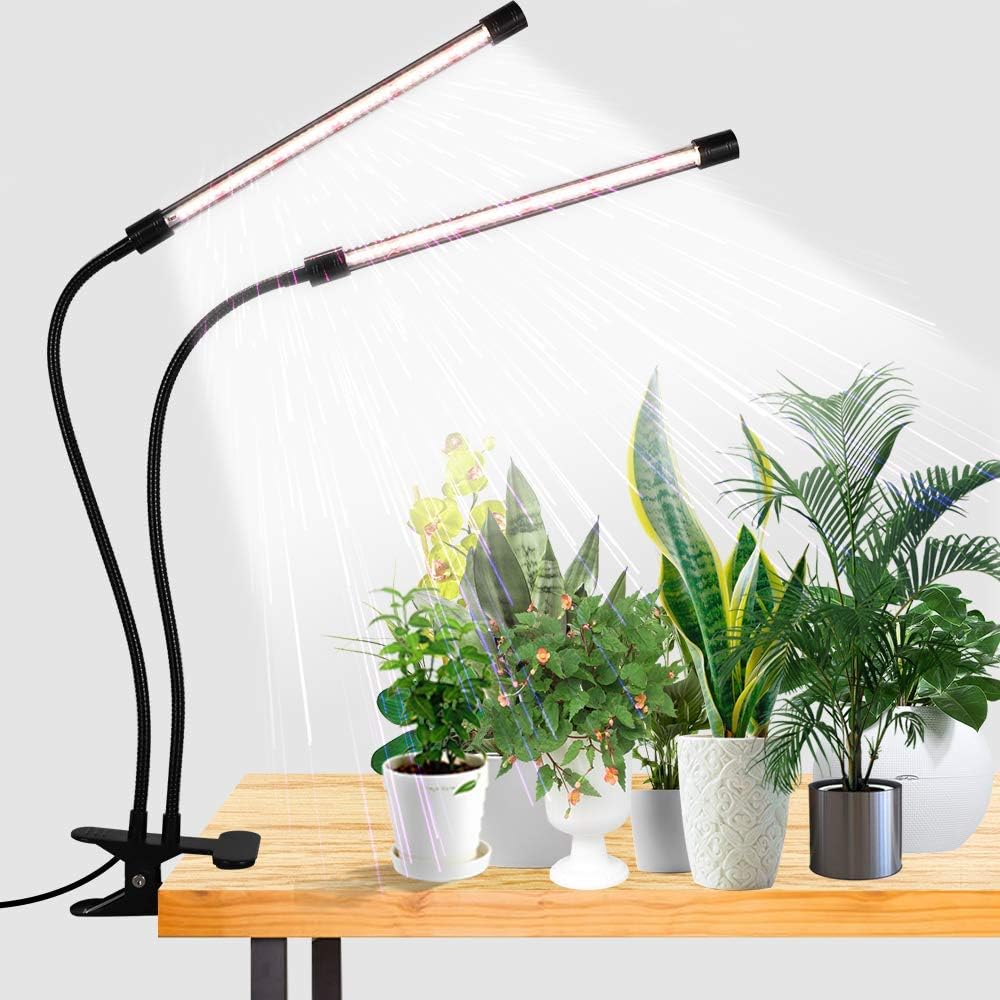
Finding the right Best Outdoor Flood Lights means matching the brightness output and coverage pattern to your space. These three models all use manual wall-switch control, so you get light exactly when you want it, with no solar panels to charge or sensors to misfire. These wired flood lights for home suit a property with a junction box already near the eaves.
Smaller patios and accent lighting call for 3000 to 3500 lumens; medium yards need 7000 lumens; large properties, workshops, and security perimeters benefit from 10000-lumen output. All three also come in daylight white color temperatures (5000K to 6500K) and tough aluminum housings.
What to Compare in Manual Outdoor Flood Lights
Brightness, measured in lumens, tells you how far the light reaches. Wattage shows energy draw. The number of adjustable heads and their rotation range determine whether you can focus or spread the light. Weatherproofing ratings ensure durability through rain, snow, and ice.

Onforu 75W Flood Lights Outdoor, 7000LM Brightness Security Lights Switch Controlled, 3 Ad...

LUTEC 6222W 3500 Lumen 32 Watt 28 LED Dual-Head Floodlight Outdoor, Full Metal Design, Wat...
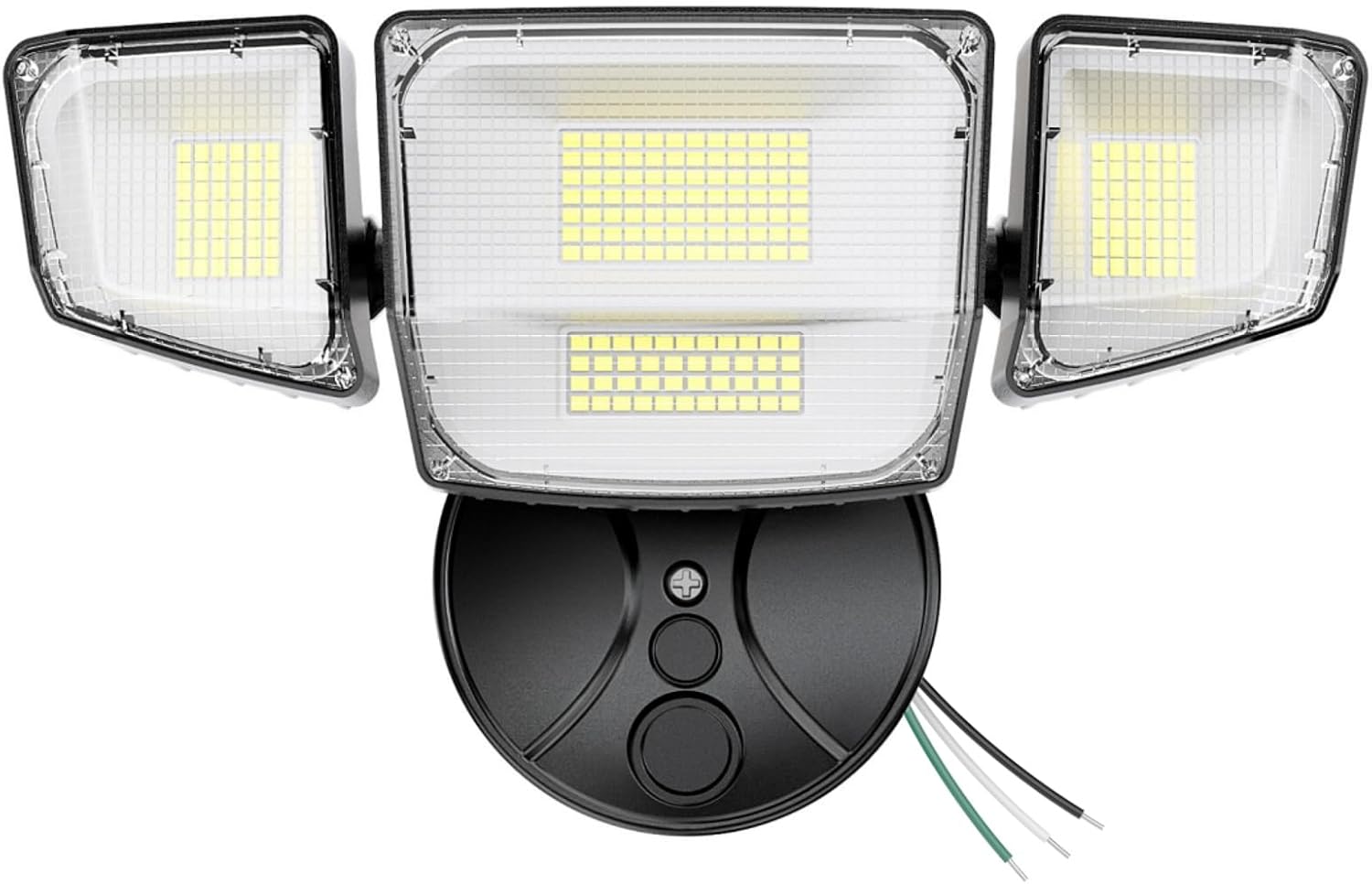
Onforu 90W Flood Lights Outdoor, 10000LM Ultra Bright 4-Head LED Security Light with Switc...
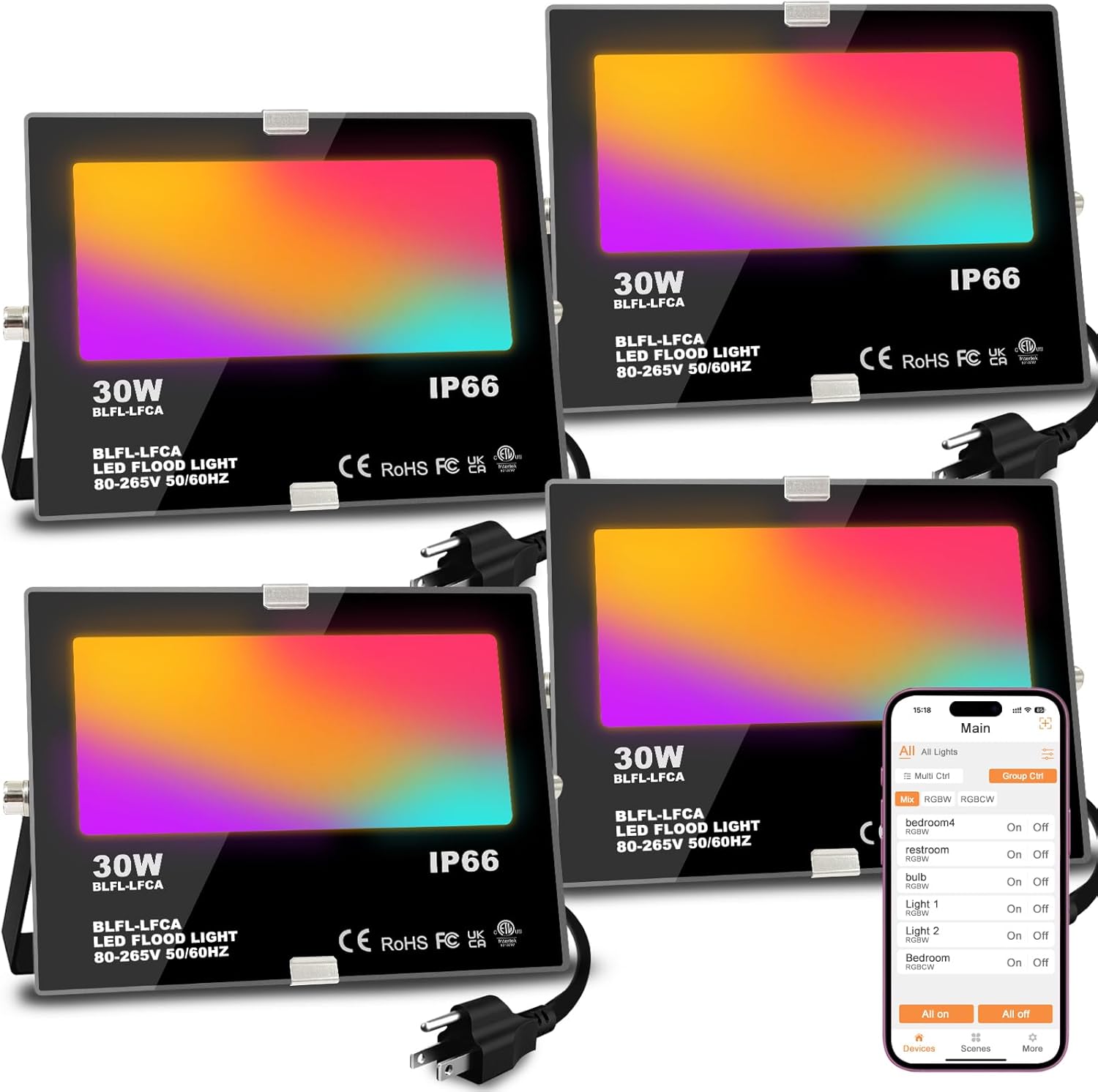
LED Flood Light Outdoor 30W, 300W Equivalent RGB Landscape Lighting

Onforu 150W LED Security Light, 15000LM Outdoor Flood Light Switch Controlled, IP65 Waterp...
Which Light Suits Your Space
Match the light’s brightness and head count to your yard size and how much area you need to illuminate. Consider whether you want to focus light in one direction or spread it widely across multiple zones. Match the beam angle of your LED flood lights to the distance they need to reach.
- Small patios, walkways, and accent lighting
- Medium yards and entryway security
- Large properties, workshops, and perimeter coverage
- All-weather durability and continuous operation
Small Patios and Modest Lighting Needs
The LUTEC Dual-Head works well for accenting a small patio or garden area, delivering 3500 lumens from just 32 watts. Its dual heads rotate 360 degrees each, so you can angle them independently for flexible placement. Choose the Onforu 75W instead if your space needs twice the brightness or you want three heads to cover a wider area.
Medium Yards and Entryway Security
The Onforu 75W produces 7000 lumens across a 270-degree spread with three adjustable heads, making it suitable for entry doors, garages, and backyard security. It saves over 85 percent electricity compared to traditional 400-watt bulbs. Pick the Onforu 90W if your yard extends beyond 30 feet or you need simultaneous illumination across multiple zones like a driveway and patio.
Large Properties and Maximum Output
The Onforu 90W delivers the highest brightness at 10000 lumens with four independently adjustable heads and 300-degree coverage. It carries an IP66 rating, which exceeds the IP65 standard found on the other two models, and the manufacturer specifies a 50,000-plus hour lifespan. This model suits ranches, workshops, and properties where you need to light 50 to 75 yards of visibility or cover multiple buildings.
Our Recommendations
These three models cover the full range of manual switch-controlled outdoor flood lighting. Your choice depends on how much area you need to light and whether you prioritize energy efficiency or maximum brightness.
Best Mid-Range Coverage: Onforu 75W Flood Lights Outdoor: The Onforu 75W hits the balance point with 7000 lumens spread across three heads and a 270-degree angle, ideal for yards and security lighting. It saves over 85 percent energy versus 400-watt traditional bulbs. Choose the Onforu 90W instead if you have a larger property or need all-weather IP66 durability.
Best Energy Efficiency: LUTEC 6222W 3500 Lumen 32 Watt 28 LED: The LUTEC Dual-Head consumes just 32 watts while delivering 3500 lumens, the lowest power draw of the three. Its dual heads each rotate a full 360 degrees for flexible aiming at small spaces. Switch to the Onforu 75W if your yard needs more than twice the brightness or four times the head count.
Most Brightness and Durability: Onforu 90W Flood Lights Outdoor: The Onforu 90W produces 10000 lumens, the brightest output here, paired with four independent heads and an IP66 waterproof rating that exceeds IP65 standards. Manufacturer specs cite a 50,000-plus hour lifespan. Choose the Onforu 75W for smaller yards or the LUTEC for modest energy use.
Questions About Outdoor Flood Lights
What is the difference between IP65 and IP66 waterproof ratings?
Both block dust and water. IP66 provides additional protection against powerful water jets and heavy weather, making it slightly more durable. The Onforu 90W carries IP66; the Onforu 75W and LUTEC both meet IP65. For most yards, either rating withstands rain, sleet, and snow. Choose IP66 if your location faces coastal spray or frequent high-pressure washdowns.
How many lumens do I need for my outdoor space?
Per ENERGY STAR, 1100 lumens replaces a 75-watt incandescent. For accent lighting on small patios, 3500 lumens (LUTEC) works well. Medium yards and entryways benefit from 7000 lumens (Onforu 75W). Large properties, ranches, and security perimeters need 10000 lumens or higher (Onforu 90W). Brightness also depends on how far you want light to travel.
Should I choose a model with more heads?
More heads give you flexibility to light multiple zones simultaneously. The Onforu 90W’s four heads can cover a driveway, yard, and garage entrance at once. The Onforu 75W’s three heads suit a single large area or two nearby spaces. The LUTEC’s two heads work for smaller patios where you want to adjust each side independently with 360-degree rotation.
Do these lights work with a standard wall switch?
Yes. All three models connect to a standard on-off wall switch via hard-wired installation. No motion sensor, solar panel, or dusk-to-dawn feature comes built in. You control the light manually, which means no false triggers and consistent performance whether the sun is setting or motion is present.
How much electricity will an outdoor flood light add to my bill?
The Onforu 75W and 90W save over 85 to 90 percent energy versus traditional 400-watt halogen bulbs (per manufacturer specs). The LUTEC 32W uses the least power. Exact cost depends on your local electricity rates and hours of daily operation. LED flood lights typically cost pennies per night compared to incandescent or halogen alternatives.