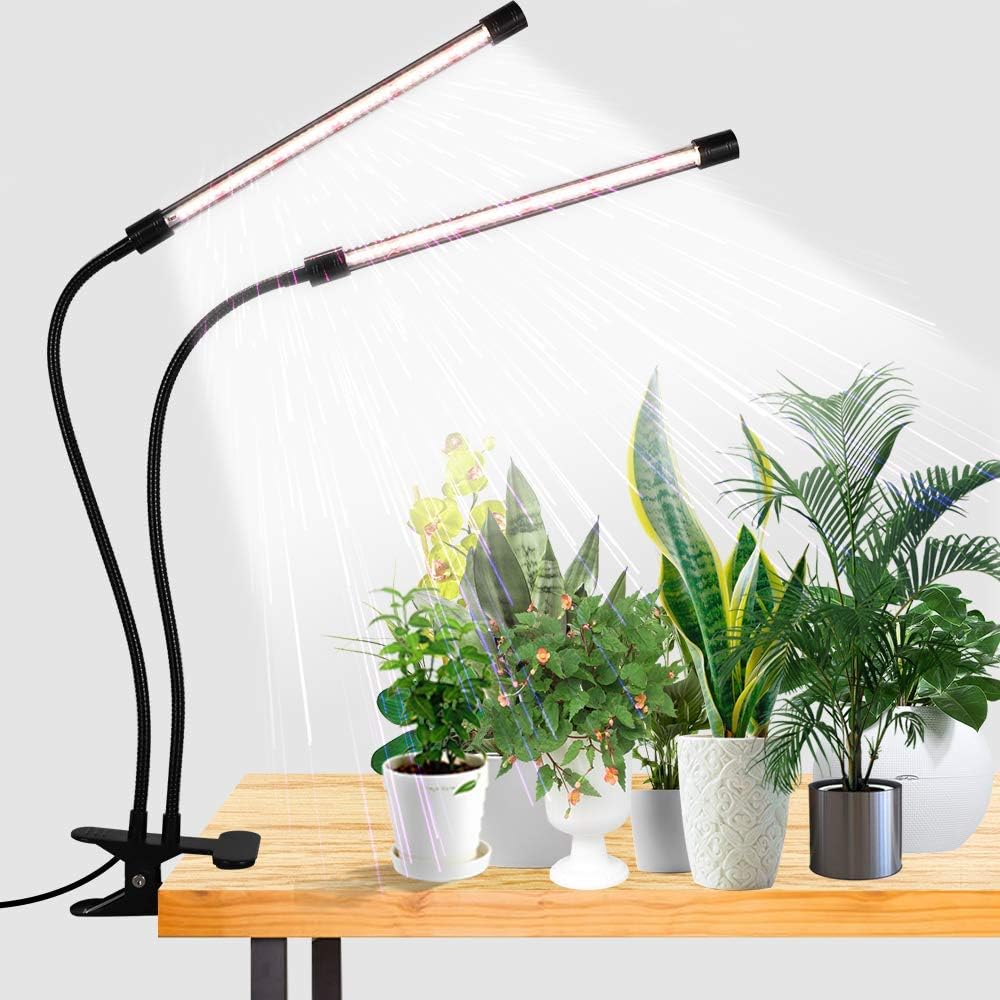
Automating your home’s lights keeps them running on schedule, even when you’re not there. Best Light Timers For Home come in two main styles: digital models with programmable schedules and memory backup, or mechanical timers with simple pushpin controls.
Choose a digital timer if you want precise daily programming and want your settings to survive power outages. Pick a mechanical timer if you prefer no-fuss simplicity without screens or buttons.
What to Compare
Light timers differ most in display type, how many separate ON/OFF events you can schedule daily, memory during outages, and how many outlets they offer. Check the wattage rating to match your device’s power draw and confirm compatibility with LEDs or other bulb types.

DEWENWILS Indoor 24 Hour Programmable Digital Timer Outlet,2 Outlets,2 Pack

DEWENWILS Indoor 24 Hour Programmable Digital Timer Outlet, 1 Outlet,2 Pack

BN-LINK U47 Indoor Mini 24-Hour Mechanical Outlet Timer, 3-Prong, 2-Pack

DEWENWILS Indoor 24 Hour Programmable Digital Timer Outlet ,2 Outlets,2Pack
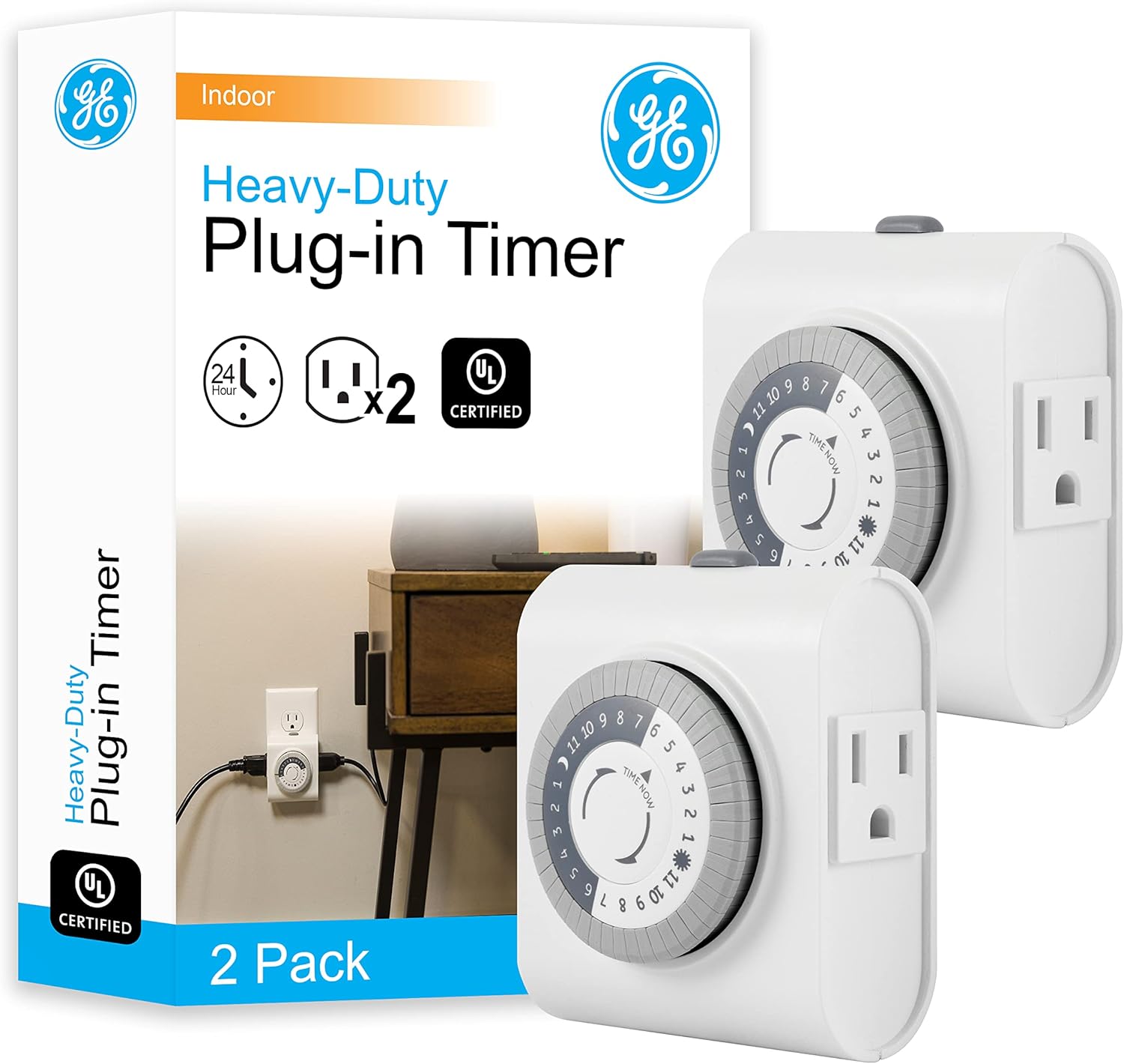
GE 24‑Hour Plug-in Mechanical Timer Outlet, 2 Grounded Outlets, 2 Pack
Who Needs What Type of Timer
Your living space, the devices you’re automating, and how you like to set things up determine which timer style works best. Consider these real-world situations to find your match.
- Number of devices needing timers at once (single outlet vs. dual outlets)
- Tolerance for button programming vs. simple pin mechanics
- Need for backup memory if power cuts out
- Scheduling complexity—simple daily on/off vs. multiple events throughout the day
Automating Holiday Lights and Décor Across Your Home
The DEWENWILS 2-Outlet Digital suits a living room where you run multiple strings of Christmas lights or seasonal displays from one wall outlet. Its dual grounded outlets let two devices run on the same schedule, and the 6-month memory keeps settings intact through brownouts. If you prefer no programming, the GE 24-Hour Mechanical handles the same job with just pushpins and no batteries to check.
Bedroom Lamps and Quiet Operation
Bedroom lights need silent operation, and the DEWENWILS 1-Outlet Digital delivers that with no mechanical clicking and a single-outlet design suited to bedside use. Its compact footprint won’t block neighboring outlets, and 3 daily programs let you stagger wake-up and sleep times. The BN-LINK U47 Mechanical offers silence too, but requires no electricity-consuming display.
Plant and Grow Light Schedules
Indoor plant lights need precise, repeated daily timing. The BN-LINK U47 Mechanical supports up to 24 separate on/off switches per day in 30-minute intervals, giving more granular control than digital models capped at 3 programs each. However, it stores no settings if power fails, while any DEWENWILS digital timer preserves your schedule for months.
Remote Security While You Travel
When you’re away, the DEWENWILS 2-Outlet Digital’s built-in random mode mimics occupancy by varying light patterns, a feature the other timers don’t offer. This combines automation with added security deterrence.
Recommended Timers
Based on feature set and specifications, here are three standout choices for different timer needs. Based on how often you travel, light timers for home security can make an empty house look occupied.
Most Flexible Setup: DEWENWILS Indoor 24 Hour Programmable Digital Timer Outlet: The DEWENWILS 2-Outlet Digital excels when you need to automate two devices from one wall outlet, program 3 separate on/off times daily, and preserve settings during power outages for up to 6 months. Its wide-angle display, rated 15A at 1000W, and random security mode suit holiday lighting, multiple grow lights, or layered home automation routines. Choose a single-outlet model if you only need one device timed.
Compact Bedroom Choice: DEWENWILS Indoor 24 Hour Programmable Digital Timer Outlet: The DEWENWILS 1-Outlet Digital prioritizes silent operation and minimal footprint for bedside use, where noise and outlet space matter. It holds settings for 3 months during outages and supports 3 daily programs with simple button adjustment. Pick a mechanical timer instead if you dislike any screen light or prefer zero programming interface.
Maximum Daily Schedules: BN-LINK U47 Indoor Mini 24-Hour Mechanical Outlet Timer: The BN-LINK U47 Mechanical supports far more granular control than digital models, allowing up to 24 separate on/off events per day in 30-minute intervals—ideal for plant lights needing precise sunrise/sunset cycles. Its mechanical design requires no batteries or memory, but schedules won’t survive a power outage. Choose a digital timer if backup memory during outages matters to you.
Frequently Asked Questions
Can I use a light timer with LED bulbs?
Yes. The BN-LINK U47 explicitly supports LED bulbs along with compact fluorescent lighting. DEWENWILS digital timers don’t specify LED restrictions in their specs. Most modern timers work with LEDs, but always check the product specs to confirm if you’re using specialized bulbs like dimmable LEDs or ballast systems.
What happens to my timer settings if the power goes out?
DEWENWILS digital models retain settings for 3 to 6 months without power, depending on the model. Mechanical timers like the BN-LINK and GE models have no memory—they don’t rely on electricity to store schedules, but their pins reset to wherever you left them. If power loss concerns you, choose a digital model with extended backup.
How many devices can I plug into one timer outlet?
Each outlet accepts one plug. A single-outlet timer runs one device; dual-outlet models let you run two devices simultaneously on the same schedule from a single wall outlet. All timers in this guide support devices rated up to 1000W (or higher for certain resistive loads), so check your device’s wattage against the timer’s rating.
Do light timers work with holiday lights and seasonal décor?
Yes—all five timers here support Christmas lights, seasonal displays, and decorative strings. They’re rated 125V/60Hz and handle incandescent, LED, and fluorescent strings. Check that your total wattage doesn’t exceed the timer’s rating (usually 1000W for tungsten bulbs). Mechanical pushpin models and digital programmable versions both work; choose based on scheduling complexity. Outdoor light timers need weather protection, so keep the plug under a cover or in a sealed box.
What’s the difference between digital and mechanical timers?
Digital timers display the time on a screen, let you program multiple schedules per day, and retain settings during power outages. Mechanical timers use pushpins set in 30-minute increments, offer no display or backup memory, and require no batteries. Mechanical timers are simpler and cheaper; digital timers offer more control and memory for home automation.