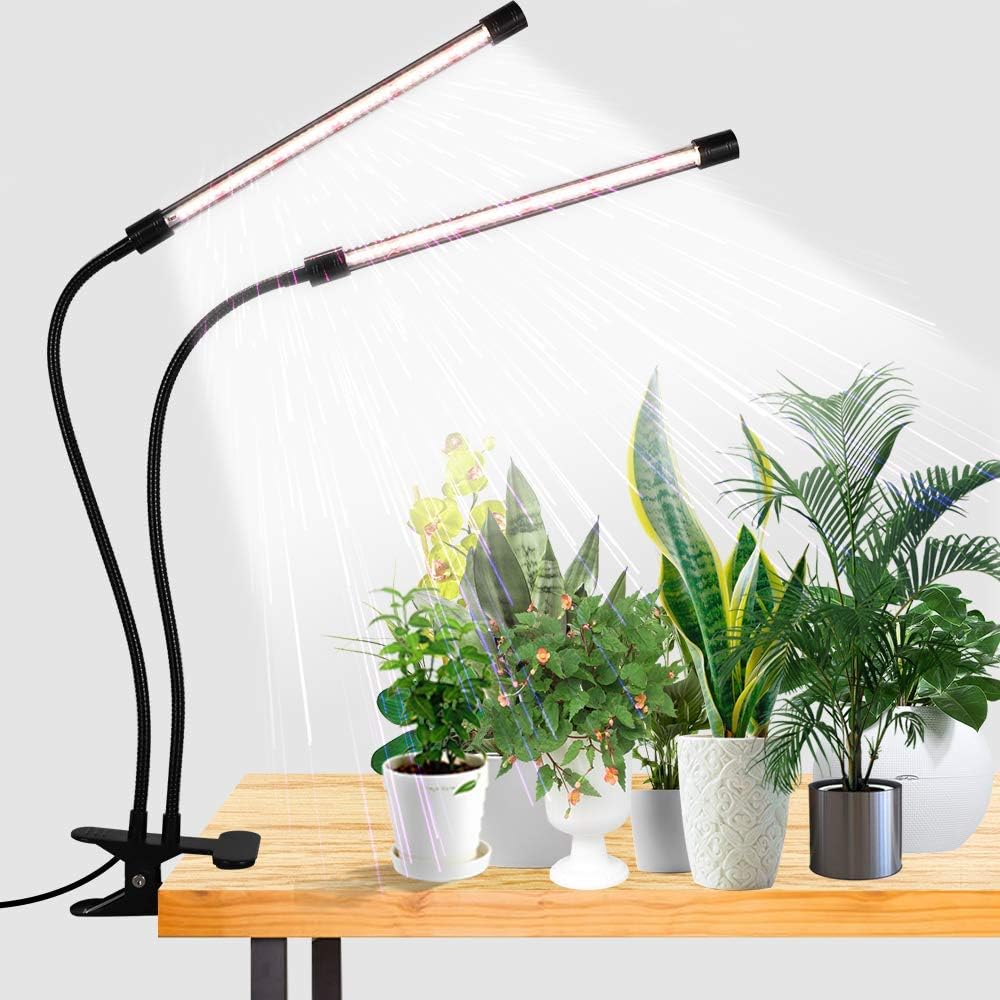
Best Light Bulbs That Mimic Sunlight let you bring daylight-like illumination into your home without waiting for the sun. These LEDs emit at 6000K or 5700K, the color temperatures closest to natural daylight, with high color rendering to make everything look true to life.
If you want a practical replacement for most standard lamps, pick a 9W bulb with a common E26/E27 base and 6000K color temperature. For brighter task lighting or offices, the 15W options deliver more lumens in the same footprint. All work in A19 fixtures. For holiday decor, flame light bulbs add a flickering glow to windows and mantels.
What to Compare
These full spectrum bulbs share the same daylight goal but differ in wattage (affecting brightness per ENERGY STAR), color temperature, color rendering index (CRI), and lifespan. Check wattage first: a 9W bulb produces roughly 800 lumens, while 15W reaches about 1,100 lumens.

Full Spectrum Light Bulb, 6000K Natural Sunlight Bulbs, 9W 60W Equivalent LED Light Bulb,...

Neporal Full Spectrum Light Bulb, 6000K UV-Free Daylight Sunlight Light Bulbs, 9W (60W Equ...
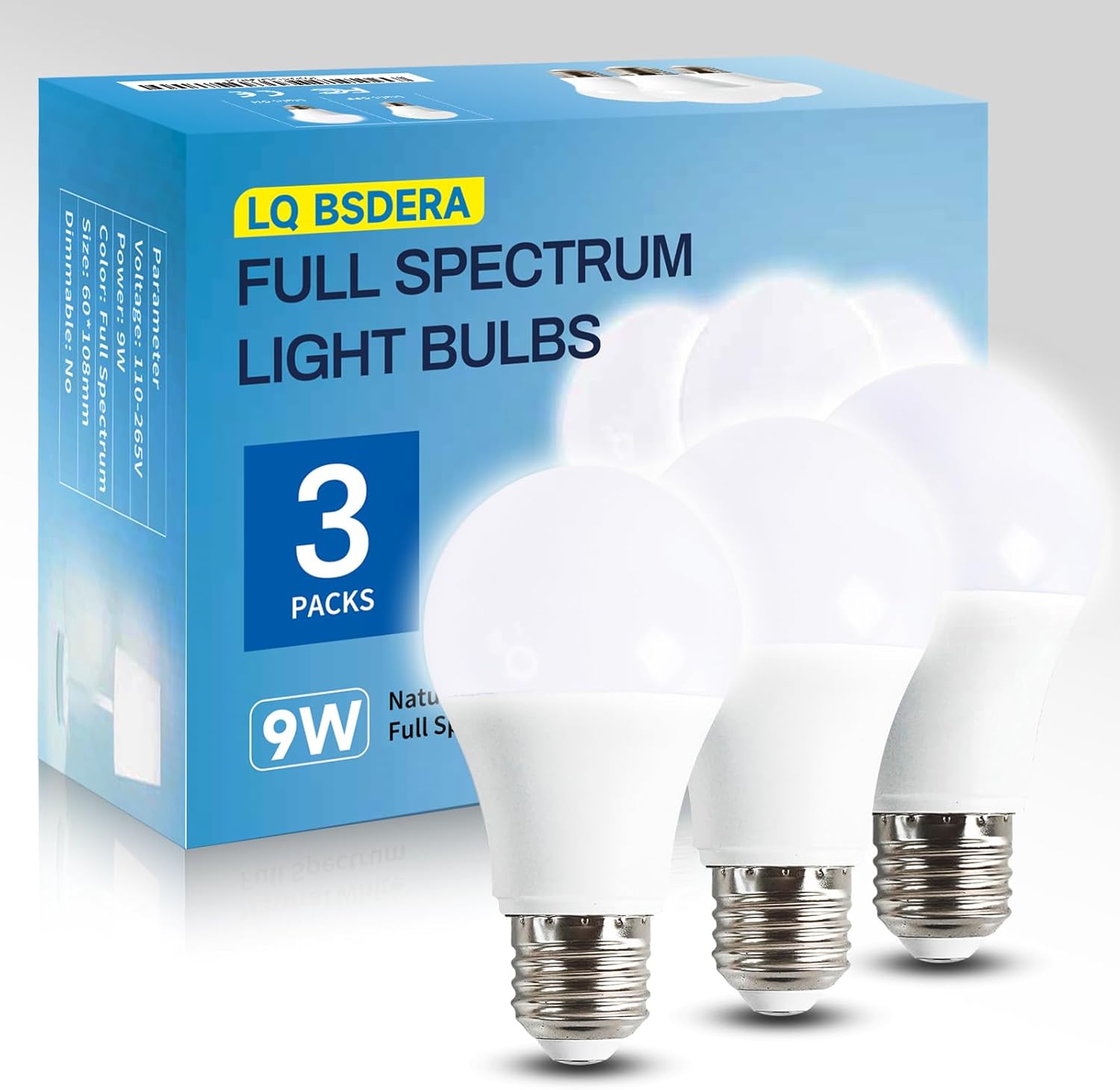
3PK Full Spectrum Light Bulbs, 9W, 6000K Natural Light that Mimic Sunlight, Boosts Mood, E...

SunLike Full Spectrum Light Bulb 15W 1000lm Bright, Flicker-Free & UV-Free & Vivid 90+ CRI...

Full Spectrum Sun Light Bulb - A19 9W, Boosts Energy, Mood & Performance, Near-Perfect Col...
Who Should Buy What
Pick a bulb based on your room’s purpose and how much brightness you need. All fit standard A19 lamps with E26 or E27 bases. Here is where each type excels. All of these suit evening reading, though eye-friendly lighting choices matter most during long reading sessions.
- Brightness level (9W works for general lighting; 15W suits task areas)
- Color accuracy needs (higher CRI helps if color matters, like art or makeup)
- Lifespan priorities (specified lifespan gives durability assurance)
- Fixture compatibility (all A19, E26/E27, so check your lamp type)
Home Office or Desk
The SunLike 15W suits focused work best: its 1,000 lumens and 90+ CRI keep details sharp and colors true. If you prefer a smaller pack or lower energy use, the Neporal 6000K offers CRI 90 at 9W with a stated 30,000-hour lifespan, trading some brightness for efficiency.
Living Room or General Lighting
The Full 6000K 3-pack fits most homes: three 9W bulbs at 6000K replace standard bulbs and cost less per unit in a smaller pack. All three recommended picks work here; the Full 3-pack is the simplest choice if you just want one bulb type throughout.
Color-Critical Tasks (Art, Makeup, Design)
The Full 5700K delivers a CRI 98+, the highest in this group, so colors render nearly perfectly. It runs at 5700K (slightly warmer than 6000K) at 9W. Choose this if color accuracy trumps pack size; others offer CRI 90 to 90+, which is still high.
Long-Term Reliability
The Neporal 6000K is the only bulb with a stated 30,000-hour lifespan, plus flicker-free technology. This appeals to buyers who want durability details on the label. The 6-pack also spreads cost across more bulbs. Other products don’t specify lifespan.
Our Top 5 Picks
These three offer the best combination of daylight color, brightness for home use, and availability. Each suits different priorities. Eye comfort during long sessions depends on choosing the right light bulb wattage for reading in each room.
Core Choice: Full Spectrum Light Bulb: The Full 6000K 3-pack gives you three bulbs to try in typical lamps right away. It matches the 6000K daylight standard and E26/E27 base most homes need. Pick this if you want to start simple and build a matching set.
Long-Life Reliability: Neporal Full Spectrum Light Bulb: The Neporal 6000K stands out with a stated 30,000-hour lifespan and flicker-free operation. Its CRI 90 ensures good color rendering. The 6-pack offers more bulbs upfront. Choose this if lifespan assurance and detailed specs matter most.
Smart Value Pack: 3PK Full Spectrum Light Bulbs: The Full Spectrum 3PK balances the other two: three bulbs at 6000K and 9W for general home lighting. It shares core specs with the Full 6000K 3-pack but is listed separately. Pick this as a middle-ground option if you want one versatile set.
Questions About Best Light Bulbs That Mimic Sunlight
How bright are 9W full spectrum bulbs?
A 9W LED produces about 800 lumens per ENERGY STAR, matching a 60W incandescent bulb’s brightness. This works well for general room lighting, reading, or task areas. If you need more light, the 15W options reach about 1,100 lumens (75W equivalent). This level also suits kitchen counter lighting, where chopping and cooking need clear, even light.
What does CRI mean, and why does it matter?
CRI (Color Rendering Index) rates how accurately a bulb shows colors, from 0 to 100. Standard is 80; 90+ is high. These bulbs range from 90 to 98+. Choose higher CRI if color accuracy matters for art, makeup, or design work. For general lighting, CRI 90 is excellent.
Is 6000K the same as 5700K?
Both are daylight-range color temperatures. 6000K looks slightly cooler and brighter; 5700K appears marginally warmer. The difference is subtle. Most people find either acceptable for daylight simulation. Pick based on your room’s mood: cooler (6000K) for alertness, slightly warmer (5700K) for a softer feel.
Will these bulbs work in any lamp?
All these models fit standard A19 fixtures with E26 or E27 bases, the most common in North American and European homes. Check your lamp’s socket size before buying. Avoid dimmable fixtures unless the bulb is labeled dimmable; these specs don’t mention dimming capability.
Do I need UV-free bulbs?
UV-free means minimal ultraviolet emissions, which some bulbs highlight. Standard LED light produces very little UV anyway. The Neporal specs flicker-free operation, which some people notice reduces eye strain. Check product labels if flicker-free matters to you.