
Choosing Best Grow Lights For Succulents means matching light spectrum, brightness control, and timer flexibility to your plants’ stage of growth and your room setup. The products here split into compact desk-sized options with single-head designs, multi-head setups offering more spectral control, and larger stand-mounted systems for wider coverage. The right full spectrum grow lights can support seedlings in a dim room, while flowering plants usually need brighter output.
What Matters When Comparing Grow Lights
These lights differ most in LED count and color mix, how many brightness levels you can dial in, whether they offer multiple light spectrums, and how they mount to your space. Timer options also range from three settings to four, and some let you adjust height more than others.
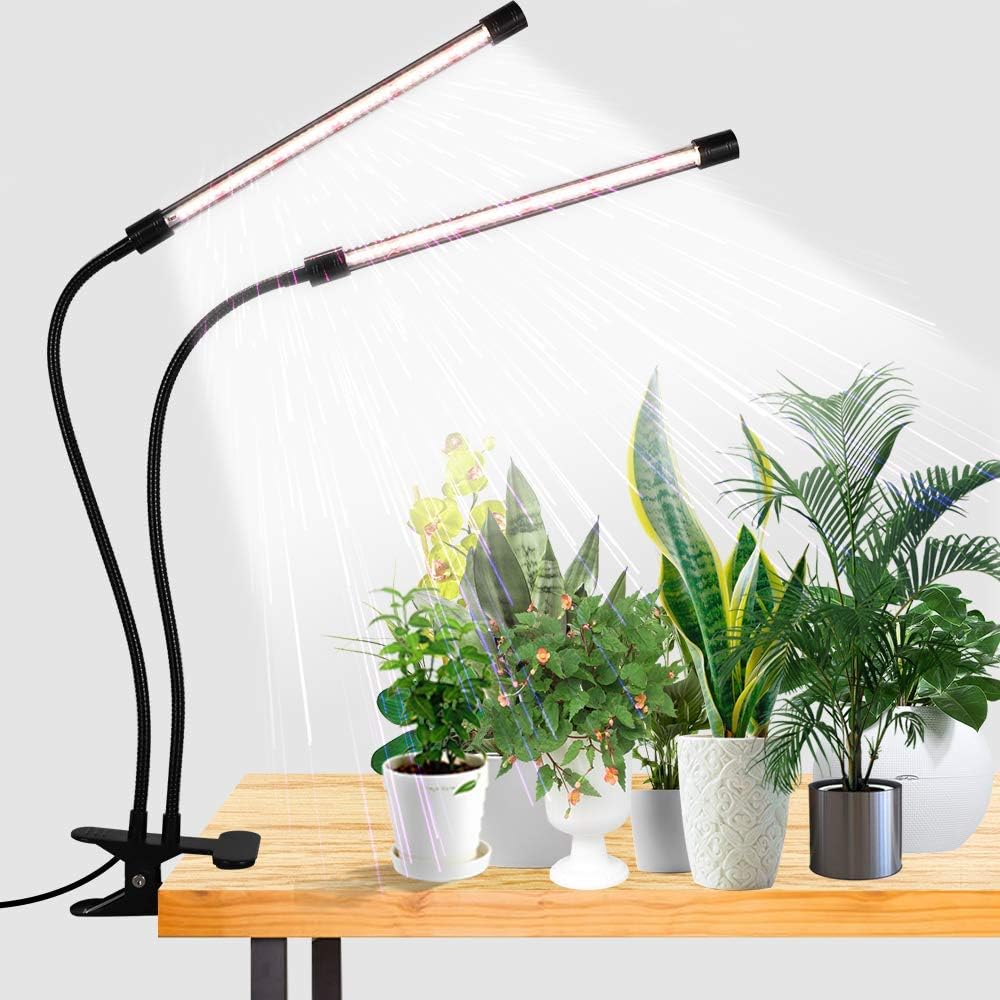
GooingTop Grow Light,6000K Full Spectrum Indoor Plant Growing Lamp

LEOTER Grow Light for Indoor Plants - Upgraded Version 80 LED Lamps with Full Spectrum & R...
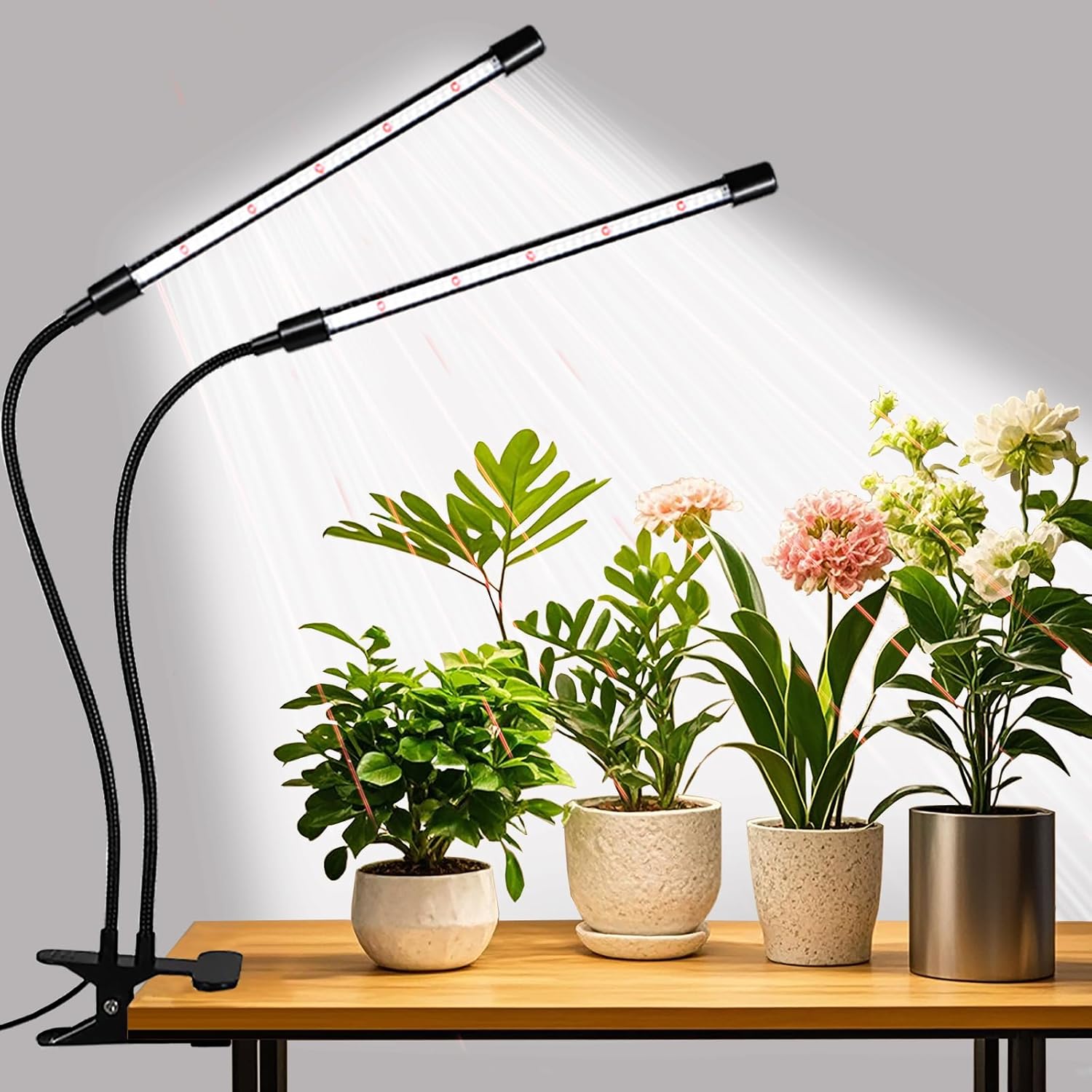
Grow Lights for Indoor Plants, Upgrade 84 LEDs Clip Plant Lights, Full Spectrum LED Plant...

Halo Plant Grow Light, 6000K White LED Full Spectrum Growing Lamp for Indoor Plants, Succu...

LBW Grow Light for Indoor Plants, 642 LEDs Grow Light with Stand
Which Grow Light Suits Your Situation
Your choice depends on how many plants you’re growing, how much space you have, and whether you need to adjust light as plants mature. Here’s how to match the right light to your setup. Your windowsill may suit orchids, but grow lights for orchids help when natural light is weak.
- Small desk or shelf with one to three plants
- Multi-plant collection needing different light spectrums
- Larger indoor garden with multiple rows
- Limited vertical space but adequate floor area
Desk-Top Small Plant Collection
GooingTop 6000K fits a compact workspace where you’re growing one or two succulents next to a lamp or on a desk. Its 10-watt power draw, flexible gooseneck, and clamp mount let you position light exactly where needed. Choose LEOTER instead if you want to shift between red and blue spectrums as plants grow.
Growing Multiple Plant Types at Once
LEOTER 80 LED suits growers managing succulents and other indoor plants in the same area. Three spectral modes (full spectrum, red-blue for blooming, and a mixed mode) let you match light to what each plant needs, and 10 dimmer levels give fine control. The 4-head design spreads light across more surface area than single-head options.
Larger Indoor Garden Layout
LBW 642 LED works best for gardeners covering significant floor or shelf space. The tripod stand adjusts from 27.8 to 63 inches tall, and 642 total LEDs (214 per panel across three lights) deliver higher output than single-head units. Pick LEOTER if your space is smaller but you still want multiple growth stages covered.
Budget-Conscious Full-Spectrum Setup
Grow 84 LED offers full-spectrum light with 10 dimmable levels and 3 spectral modes in a compact 2-head configuration. It shares the same timer range and dimming flexibility as LEOTER but uses two heads instead of four, which some growers prefer for tighter spacing.
Our Top Picks
Based on the specs above, these three lights stand out for how well they balance spectrum control, adjustability, and real-world use. Each suits a different growing situation. Seedlings need gentle, steady light during their first weeks, so timer and spectrum options matter most with seed starting grow lights.
Low Power Efficiency: GooingTop Grow Light: GooingTop 6000K draws only 10 watts, equivalent to a 50-watt halogen bulb, making it ideal if you’re powering lights from USB or keeping electricity use minimal. Choose LEOTER instead if you want multiple spectral modes to adjust as plants mature.
Most Spectrum Control: LEOTER Grow Light for Indoor Plants: LEOTER 80 LED offers three distinct spectral modes (full spectrum, red-blue for blooming, and a mixed option) with 10 dimmer levels, letting you dial in light for each growth stage. Its 4-head design covers more plants than single-head options, though it uses more power than GooingTop.
Full Spectrum Compact Design: Grow Lights for Indoor Plants: Grow 84 LED provides full-spectrum light with the same 10 dimmable levels and 3 spectral modes as LEOTER but in a 2-head format, ideal if you prefer narrower spacing. Rooms needing higher total light output should pick LBW instead.
Frequently Asked Questions
What does full-spectrum light mean for succulents?
Full-spectrum light mimics natural sunlight across the visible range (typically 380 to 800 nanometers). LEOTER and Grow lights offer full-spectrum modes, while GooingTop focuses on 6000K white light, which resembles noon sunlight. Both approaches support succulent growth; full-spectrum gives more flexibility if you grow other plant types too.
Why do some lights have red and blue spectrum modes?
Red light (660 nanometers) promotes flowering and fruiting, while blue light (460 nanometers) supports leaf and root growth. LEOTER and Grow include dedicated red-blue modes for plants in bloom or early growth. Succulents may benefit from these targeted spectrums if you want to encourage flowering.
Does dimmability matter for succulents?
Dimmable lights let you reduce brightness as plants mature or adjust for the season. LEOTER and Grow both offer 10 dimmer levels; LBW offers 6. GooingTop has no dimming option. For succulents that prefer lower light than flowering plants, dimming prevents light stress.
How do timers work on these grow lights?
Timers turn lights on and off automatically on a 24-hour cycle. GooingTop offers 4, 8, or 12-hour options. LEOTER and Grow use 3, 9, or 12 hours. LBW includes 3, 6, or 12 hours. Most timers reset if power cuts; check the manual. Choose longer intervals if you’re away from home for extended periods.
Which light uses the least electricity?
GooingTop draws 10 watts, the lowest listed. LEOTER, Grow, and Halo don’t specify watts in their specs. LBW with 642 LEDs likely uses more power but covers more area. If electricity cost matters, GooingTop is the most efficient option per specs provided. Shoppers with a windowless room often rely on home grow light options sized to fit the space.


